
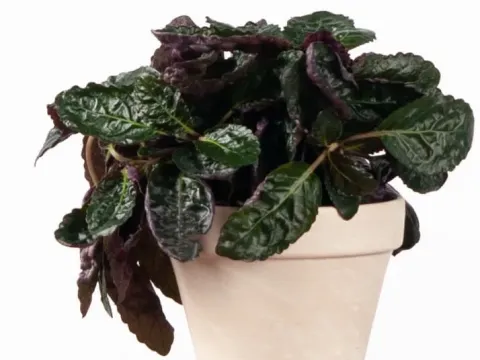
Hemigraphis
Hemigraphis Nees
Hemigraphis is a genus of herbaceous plants belonging to the family Acanthaceae. These plants are widely recognized for their vibrant, often metallic-colored foliage, which makes them highly desirable as ornamental ground covers in tropical climates and indoor plant collections.
What the section contains


Hemigraphis
The origin of Hemigraphis is rooted in the tropical regions of Asia, specifically the Malay Archipelago. In their natural habitat, they thrive in the shaded and moist environment of tropical forest floors, where they form dense mats of ground-hugging vegetation.
Environmental requirements for this crop are quite specific due to its tropical nature. It thrives in temperatures between 20°C and 25°C and requires high ambient humidity to maintain the luster and color intensity of its leaves. Bright, direct sunlight should be avoided to prevent leaf scorching.
For optimal growth, the soil must be light, well-draining, and rich in organic matter. While the plants prefer constant moisture, they are highly sensitive to waterlogged conditions, which can lead to rapid root degradation. A porous potting mix is essential for container-grown plants.
In terms of agricultural and horticultural use, Hemigraphis is primarily utilized as a decorative element in terrariums, vivariums, and as a border plant in warm-climate gardens. Its ability to create a lush, colorful ground cover makes it a staple in landscape design for shaded areas.
The primary pests affecting Hemigraphis include spider mites and mealybugs. These pests typically thrive when the air humidity is too low. Regular misting and maintaining proper environmental conditions are the most effective cultural methods to prevent pest infestations.
Common plant diseases for this species usually stem from poor water management or lack of air circulation. Fungal issues such as root rot, stem rot, and various leaf spot pathogens are common consequences of stagnant water or overcrowded planting conditions.