
Chaetacanthus burchellii
Chaetacanthus burchellii
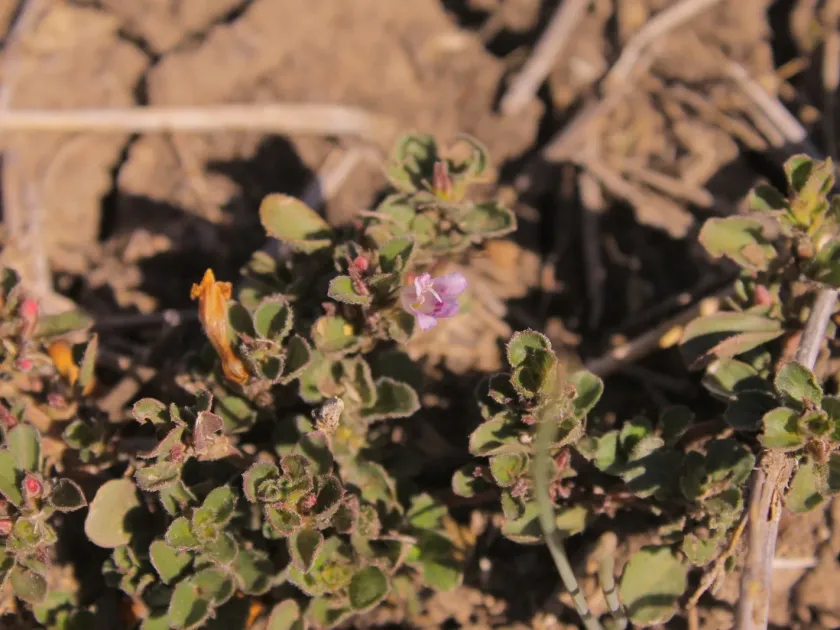
Description
Growing requirements
Chaetacanthus burchellii is an herbaceous perennial belonging to the Acanthaceae family. This species originates from the diverse landscapes of Southern Africa, where it has evolved to thrive in specific, often harsh, environmental niches.
Botanically, the plant is characterized by its compact habit and resilient root system. The leaves are typically arranged in an opposite pattern, and the inflorescence consists of tubular flowers that are diagnostic for this specific member of the Acanthaceae clade.
Regarding soil requirements, the plant demands excellent drainage. It performs best in gritty, nutrient-rich, and aerated substrates that prevent moisture accumulation around the base, which is crucial for preventing physiological decline.
Environmental conditions should mimic those of a subtropical climate. High light intensity is preferred for optimal photosynthesis, though protection from intense midday heat is recommended to maintain leaf integrity and prevent photo-inhibition.
The thermal range for active vegetative growth is approximately 20°C to 26°C. The species is highly sensitive to frost; therefore, commercial or personal cultivation in non-native latitudes must be conducted in greenhouses or controlled indoor environments.
Main diseases and pests
Common phytopathological threats include root rot pathogens, which are almost exclusively triggered by waterlogged conditions. Maintaining an adequate wet-dry cycle is essential to preserve the health of the plant throughout the growing season.
Pest management should focus on monitoring for spider mites and scale insects. These pests thrive in dry conditions and can rapidly weaken the plant, requiring both cultural practices and periodic application of appropriate pesticides.