
Anisacanthus linearis
Anisacanthus linearis
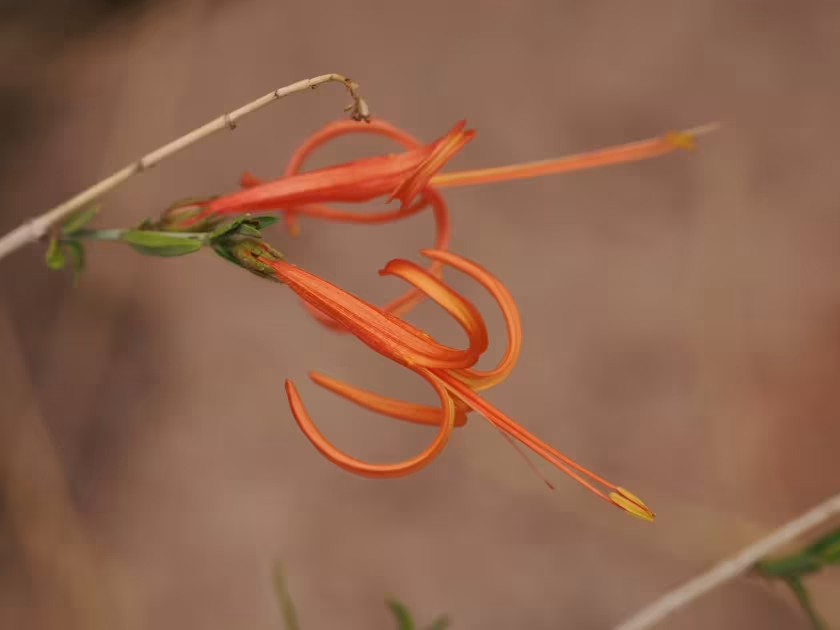
Description
Sowing dates
Sowing of Anisacanthus linearis is generally carried out in early spring when the soil temperature consistently reaches warm levels. This timing ensures rapid germination and stronger early root development.
Seeds should be planted at a shallow depth of approximately 1 to 2 centimeters. Ensuring even coverage with light, well-draining soil helps maintain the necessary moisture without burying the seeds too deeply.
Indoor propagation is highly recommended in regions with shorter growing seasons. Starting seeds in controlled indoor environments in February allows for robust seedling development before the last frost date.
Transplanting seedlings to their final outdoor location should be done carefully to minimize root disturbance. Spacing is crucial, and plants should be placed 50–70 centimeters apart to prevent crowding.
Adequate irrigation is essential immediately following the sowing or transplanting process. Establishing a consistent moisture regime helps the plant acclimate to its new environment during the first few weeks.
Growing requirements
Anisacanthus linearis belongs to the Acanthaceae family and is native to the arid landscapes of North America. Its primary evolutionary advantage is its ability to thrive in extremely dry, hot conditions.
This crop prefers sandy or loamy soils with excellent drainage. It does not tolerate waterlogged conditions, making well-drained, porous soil structures essential for long-term health and productivity.
Full solar exposure is mandatory for this plant. In environments with insufficient sunlight, the shrub will likely exhibit leggy, thin growth and fail to produce its characteristic floral displays.
While mature plants are highly drought-tolerant, supplemental watering during the initial growth phase will significantly improve their size and flower density throughout the active season.
It performs best in neutral to slightly alkaline soil types. Soil testing prior to planting is recommended to ensure that the pH levels do not inhibit the uptake of necessary micro-nutrients.
Main diseases and pests
The most significant threat to this culture is the onset of fungal diseases related to excessive soil moisture. Root rot is a common issue if the drainage is insufficient during periods of heavy rain.
Spider mites can be a persistent problem, particularly during hot, dry summer months. Monitoring the leaves for discoloration and fine webbing is necessary for early intervention with suitable miticides.
Powdery mildew may occur when humidity levels remain high around the foliage for extended periods. Promoting good airflow through proper plant spacing is the best natural preventative measure.
Aphids might feed on tender new shoots and buds, potentially weakening the plant during its most active growth phase. Regular inspection allows for quick manual removal or localized treatment.
In cases of significant infestation, integrated pest management strategies are recommended to keep the plant healthy while maintaining environmental balance in the surrounding area.