
Anisacanthus puberulus
Anisacanthus puberulus
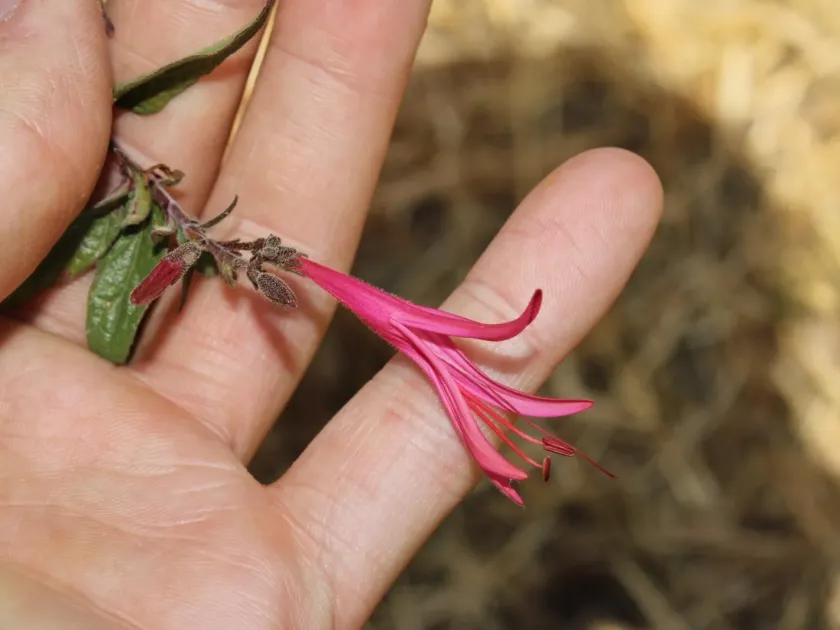
Description
Growing requirements
Anisacanthus puberulus is an ornamental subshrub belonging to the Acanthaceae family. Originating from the arid regions of Mexico and the Southwestern United States, this species is well-adapted to harsh, sun-drenched environments and rocky, well-draining soil types.
The plant requires full sun exposure to thrive and produce its signature vibrant blooms. Lack of sufficient light often leads to leggy growth and reduced flowering, which diminishes its aesthetic value in garden or landscape settings.
Soil quality is secondary to drainage capacity. Anisacanthus puberulus demands excellent water permeability; in heavy clay soils, it is highly recommended to amend the planting hole with perlite, gravel, or coarse sand to prevent root rot.
Climate-wise, the plant is frost-tender. While it is highly heat-resistant, it needs protection from extreme freezing temperatures. In regions with harsh winters, it is best grown in containers so it can be moved to a sheltered area during the dormant period.
Routine maintenance includes structural pruning after the flowering season concludes. This practice not only keeps the plant compact but also promotes denser branching for the following year, ensuring a more prolific display of flowers.
Main diseases and pests
Root rot is the most significant threat to Anisacanthus puberulus, usually stemming from poor drainage or overwatering. Maintaining a dry root zone during the winter months is crucial for long-term plant health.
Pests such as spider mites and aphids are common concerns, particularly when the plant is kept in environments with low air circulation or high temperatures. These insects can quickly sap the plant's vigor if left unchecked.
Powdery mildew may occur if the foliage remains consistently moist or if the plant is grown in overly humid conditions without adequate ventilation. It manifests as a white, powdery fungal growth on the leaves.
Scale insects can also colonize the woody stems of the shrub. Early detection is key; manual removal or systemic insecticides are effective measures if a local infestation is identified before it spreads to the entire plant.
To maintain a healthy plant, avoid overhead irrigation, which increases foliage moisture and the risk of disease. Focus on ground-level watering and ensure the planting site has sufficient air movement to dry out the leaves quickly after rain.
Harvesting
While Anisacanthus puberulus is primarily grown for its ornamental value rather than food or fiber production, the term 'harvest' in this context refers to the collection of seeds for propagation or the cutting of flower stalks for decorative arrangements.
Seed collection should be performed when the seed capsules turn brown and begin to dry on the plant. It is essential to monitor them closely, as the capsules can dehisce and disperse seeds suddenly in warm, dry weather conditions.
When collecting flowers for arrangements, use clean, sterilized shears to make precise cuts. This minimizes damage to the remaining plant tissue and helps prevent the accidental entry of pathogens into the vascular system of the stem.
Stems chosen for collection should be fully developed but not yet showing signs of wilting. This ensures that the cut material retains its color and structure for as long as possible after being placed in a vase.
All harvesting activities are best carried out during the cool hours of the morning. This practice ensures the plant tissues are well-hydrated, which minimizes the physiological stress on the parent shrub during the cutting process.