
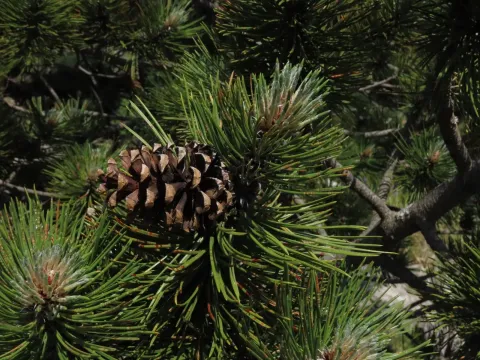
Bosnian pine
Pinus heldreichii H. Christ
The sowing of Bosnian pine seeds is typically carried out in early spring, specifically April or May, following a cold stratification period of 4 to 8 weeks at +3°C to +5°C.
What the section contains
Bosnian pine
For nursery cultivation, use a well-drained medium containing sandy loam mixed with peat and perlite to prevent root rot and ensure optimal drainage for young seedlings.
Seeds should be sown at a depth of approximately 1–2 cm, then covered with a light layer of mulch to maintain constant soil moisture and prevent surface crusting.
Germination usually takes about 3 to 4 weeks under controlled temperatures of +18°C to +22°C, provided that the soil is kept consistently moist but not waterlogged.
Seedlings remain delicate during their first growing season and require shade cloth or partial protection from intense midday sunlight until the root system is established.
Bosnian pine (Pinus heldreichii) is a member of the Pinaceae family, known for its dense, dark green needles and its ability to thrive in challenging, harsh environments.
This species is highly photophilous and demands full sun exposure to maintain its characteristic dense, conical shape; it does not perform well in shaded conditions.
It is remarkably tolerant of various soil types, including poor, rocky, and alkaline soils, making it an excellent choice for reclamation projects and exposed landscaping.
The plant exhibits exceptional drought tolerance once established and is fully winter-hardy, capable of surviving harsh mountainous climates with heavy snow cover.
Maintenance is minimal, requiring only occasional pruning to remove dead or damaged branches and light supplemental watering during the first few years of growth.
The primary threats include fungal infections such as needle rust, which often develops in humid, stagnant air environments where air circulation is restricted.
Sphaeropsis blight can cause shoot dieback and needle browning, particularly in stressed plants, necessitating careful monitoring and early intervention strategies.
Common insect pests include pine sawflies and various bark beetles, which can cause significant damage if the tree is already suffering from physiological stress or drought.
Maintaining proper tree spacing is essential to ensure adequate airflow and reduce the humidity levels that favor the development of most fungal pathogens.
- Applying fungicides as a preventative measure in high-risk areas.
- Monitoring for early signs of infestation such as needle discoloration.
- Pruning and destroying infected branches to prevent the spread of disease.