
Calabrian pine
Pinus brutia Ten.
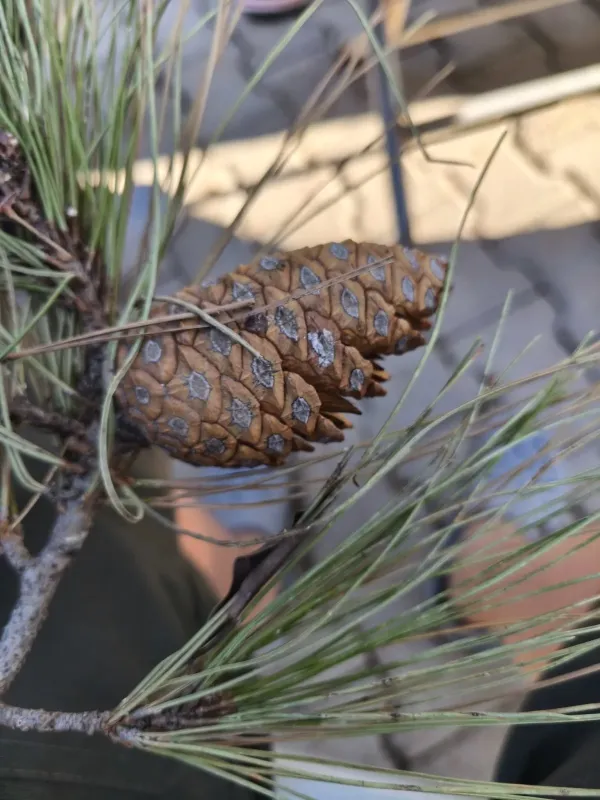
Description
Sowing dates
Sowing seeds of Pinus brutia typically occurs in early spring once soil temperatures reach a stable 10–12°C. Cold stratification for several weeks is recommended to enhance the germination rate of the seeds.
For nursery cultivation, seeds are sown in a well-draining substrate at a depth of 1–2 cm. Maintaining consistent moisture in the upper soil layer is crucial during the initial stages of seedling development.
Seedlings remain in nurseries for one to two years, where they receive protection from extreme heat and competition from invasive weeds. Gradual hardening-off is necessary before outplanting.
When transplanting, spacing should be chosen based on the final objective, whether it is timber production or soil erosion control. Standard spacing often ranges from 2x2 to 3x3 meters.
Successful establishment relies on deep planting and initial watering until the root system is well-integrated with the native soil profile, especially in arid regions.
Growing requirements
The Calabrian pine is a member of the Pinaceae family, native to the Eastern Mediterranean basin. It is highly valued for its exceptional drought tolerance and ability to thrive in challenging climates.
This species requires full sun exposure and is highly intolerant of shade. It thrives in various soil types, including rocky, limestone, or nutrient-poor soils, provided they are well-drained.
Environmental requirements include hot, dry summers and mild, rainy winters. It is significantly more resilient to heat than most other pine species but is susceptible to severe frost damage.
Agronomic management involves periodic cleaning of the surroundings to minimize resource competition during the establishment phase, as well as thinning of dense stands as the trees reach maturity.
The species demonstrates excellent wind resistance once established, making it a primary choice for reforestation and windbreaks in Mediterranean climate zones.
Yield
Calabrian pine is a major timber source in its native range, prized for the production of construction lumber, poles, and paper pulp due to its rapid growth and high resin content.
Its role in ecological yield is equally significant, as it effectively prevents soil erosion and helps restore degraded landscapes through its deep, anchoring root system.
The species also supports biodiversity by providing food and habitat for local wildlife, including various avian species that rely on its seeds during winter.
In addition to timber, some regions utilize the species for essential oil production and resin extraction, contributing to the broader economic value of forest stands.
As a climate-resilient species, its economic potential is growing as forest managers look for trees that can withstand increasing temperatures and longer drought periods.
Main diseases and pests
The most severe pest threat is the pine processionary moth (Thaumetopoea pityocampa), which can defoliate entire stands if not managed through pheromone traps or biological controls.
Fungal diseases, such as Diplodia tip blight, can cause significant damage to young shoots, particularly during humid weather conditions that facilitate spore distribution.
Root rot pathogens remain a concern in poorly drained soils. Managing these threats involves proper site selection and the removal of infected material to prevent the spread of decay.
Bark beetles may target stressed or weakened trees, necessitating regular health inspections to identify and remove infested wood before it acts as a reservoir for larger outbreaks.
- Pine processionary moth (pheromone monitoring)
- Diplodia tip blight (fungicide management)
- Root rot (drainage and sanitation)
- Bark beetles (health monitoring)