
Chinese red pine
Pinus tabuliformis Carrière
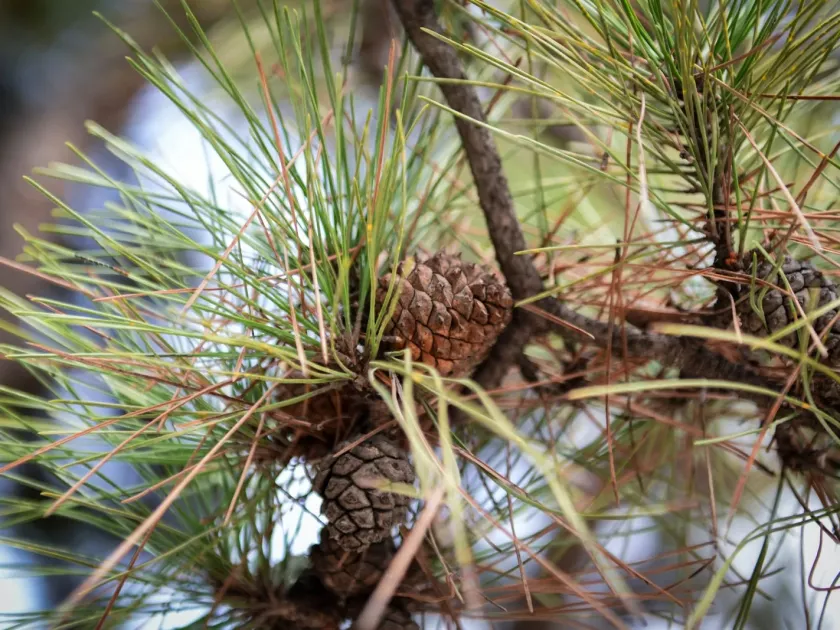
Description
Sowing dates
The sowing of Chinese red pine seeds is typically performed in early spring. It is essential to ensure that the seeds undergo a proper cold stratification period to break dormancy and maximize germination rates.
The seeds should be sown in well-draining soil at a depth of approximately 1 to 2 centimeters. Keeping the soil consistently moist during the germination phase is critical for the success of the nursery stock.
In professional forest nurseries, trays with organic substrates are used to promote rapid root development. Proper aeration in the growth medium is necessary to prevent damping-off diseases during the early stages.
Seedlings should be kept in a controlled environment until they reach a sufficient height and hardiness. Gradual acclimation to outdoor conditions is necessary before final outplanting to avoid transplant shock.
Spacing should be managed to ensure adequate ventilation. Dense plantings are prone to foliage diseases and must be monitored closely for signs of fungal activity throughout the nursery cycle.
Growing requirements
The Chinese red pine belongs to the Pinaceae family and is highly valued for its adaptability. It is a heliophilous species that requires full sunlight to develop a dense and healthy crown structure.
The species is remarkably resilient in harsh environments. It thrives in various soil types, ranging from sandy loam to rocky substrates, provided that drainage is sufficient to avoid stagnant water.
It displays a high tolerance for drought, making it an excellent candidate for reforestation in arid or semi-arid regions. Its deep taproot system allows it to access water resources that are unavailable to many other species.
Regarding climate, the tree is winter-hardy and can withstand significant frost. It is well-suited for temperate regions where summer temperatures can fluctuate, and winters are cold and snowy.
Minimal fertilizer application is required once the trees are established. However, during the initial planting phase, balanced NPK fertilization can support stronger growth and better resistance to abiotic stressors.
Main diseases and pests
Needle cast diseases represent a significant threat to the health of the species. These fungal infections usually manifest during wet seasons and can lead to needle loss and decreased growth vigor.
Pine moths and various species of sawflies are the primary insect pests. They feed on the foliage, and large infestations can cause severe defoliation, eventually weakening the entire stand.
Bark beetles pose the most dangerous threat to mature trees. These pests penetrate the cambium layer, cutting off nutrient circulation and often leading to the death of the tree if left untreated.
Effective management involves consistent sanitation practices, such as removing infected or dead wood. Reducing overcrowding in plantations helps improve airflow and lowers the risk of fungal spread.
Chemical control, including the use of systemic insecticides, is reserved for severe outbreaks. Integrated pest management strategies that emphasize biological control and monitoring are highly recommended.