
Bishop pine
Pinus muricata D. Don
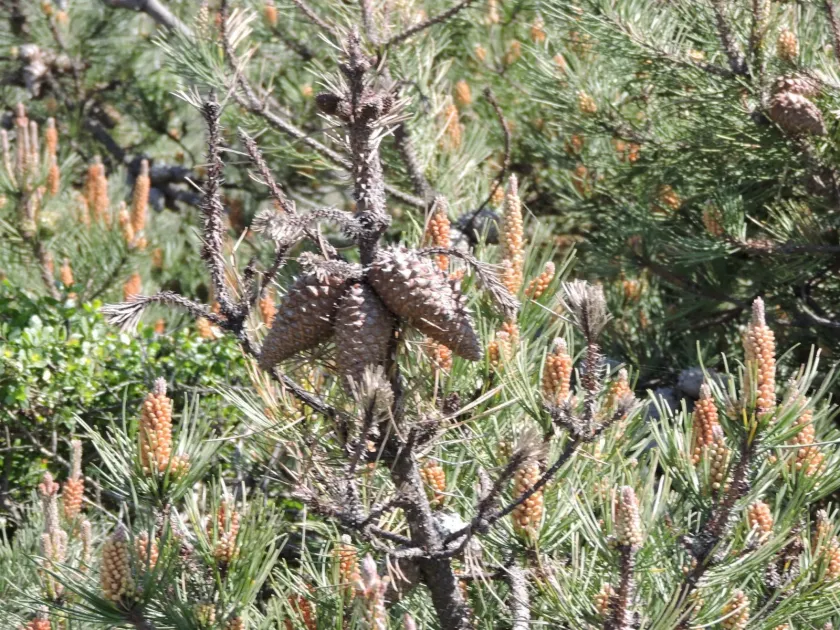
Description
Growing requirements
The Bishop pine (Pinus muricata) is a member of the Pinaceae family, native to the coastal regions of California and Baja California. It is a rugged evergreen conifer known for its ability to thrive in challenging maritime environments.
This species is highly adaptable to a variety of soil types, including poor, rocky, and sandy substrates. It shows remarkable tolerance to acidic soils and can withstand high salt exposure, making it an excellent candidate for coastal landscaping and reforestation projects.
Bishop pine requires full sunlight to develop a healthy canopy and robust root system. While it is tolerant of low-nutrient soils, proper drainage is essential for long-term health; the species will not tolerate waterlogged conditions which may lead to root rot.
Climate requirements for the species include cool, humid summers and mild winters. It is specifically adapted to environments with high atmospheric moisture, which helps maintain the tree's vigor throughout the growing season.
Cultivation practices involve regular monitoring of soil acidity and moisture levels. While young trees require irrigation during their establishment phase, mature specimens demonstrate significant drought tolerance once their roots have penetrated deep into the ground.
Main diseases and pests
The primary threats to Pinus muricata are fungal infections, particularly those that target the foliage in humid, stagnant conditions. Rust diseases and needle casts are common issues that can lead to significant defoliation if left untreated.
Insect pests such as bark beetles represent a major threat to tree health, especially in plantations that are already stressed by adverse environmental factors. These beetles bore into the bark, effectively cutting off the tree's nutrient transport system.
Effective management strategies include maintaining proper spacing between trees to ensure adequate airflow, which is critical for reducing the incidence of fungal spores settling on the needles.
Sanitation is a vital aspect of pest control; removing dead or diseased timber immediately helps to prevent the population growth of wood-boring insects within the vicinity of the healthy stand.
Integrated pest management (IPM) techniques, including the use of targeted biological controls and safe, minimal chemical interventions, are recommended for maintaining the vitality of these trees in both forest and managed landscapes.