
Caribbean pine
Pinus caribaea Morelet
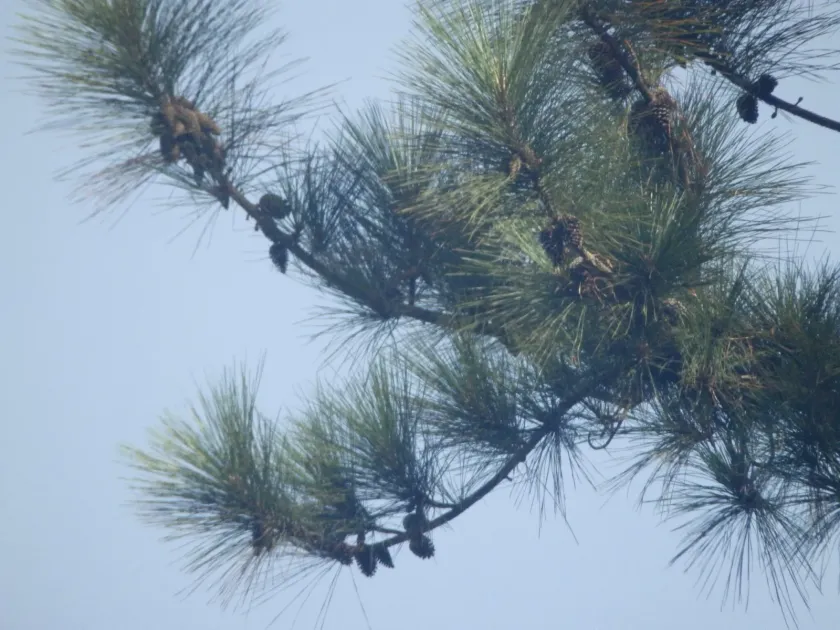
Description
Sowing dates
Caribbean pine (Pinus caribaea Morelet) is a fast-growing conifer species within the Pinaceae family, native to the Caribbean region and parts of Central America.
Propagation is primarily achieved through seeds, which are typically collected from selected superior mother trees to ensure higher timber quality in future generations.
Nursery practices involve sowing seeds in containers filled with specialized growth media, which ensures the development of a healthy root system prior to field planting.
The optimal timing for sowing usually coincides with the beginning of the rainy season to allow seedlings to establish roots effectively with minimal irrigation.
Regular monitoring in the nursery stage is critical for maintaining healthy seedlings and ensuring they meet the required standards for outplanting in forestry projects.
Growing requirements
Caribbean pine is a strictly tropical species that requires consistent warmth and has almost no tolerance for frost or prolonged cold weather conditions.
The species is highly light-demanding, meaning it thrives in open areas with full sun exposure and cannot survive effectively under a dense forest canopy.
It displays remarkable flexibility regarding soil types, performing well on poor, sandy, and gravelly soils as long as they provide adequate internal drainage.
The trees are notably resistant to strong winds and can tolerate temporary waterlogging, making them ideal candidates for coastal reforestation programs.
While an annual rainfall between 1000 and 2000 mm is preferred, the species has shown significant resilience to short dry seasons in its natural habitat.
Yield
The primary economic output of Caribbean pine plantations is industrial timber, valued for its high density, durability, and resinous nature in various applications.
The wood is extensively utilized in general construction, joinery, and furniture manufacturing due to its strength and ability to withstand environmental stress.
Furthermore, this pine serves as a key raw material for the pulp and paper industry, producing high-quality fibers suitable for various paper products.
Resin tapping remains a traditional and commercial practice in some regions, allowing for the production of turpentine and rosin for the chemical industry.
Due to its rapid growth rate, Caribbean pine plantations provide a sustainable and consistent supply of raw materials for regional timber markets.
Main diseases and pests
Young plantations are often susceptible to damage from insects such as bark beetles and various defoliators that can significantly impact early tree development.
Fungal diseases affecting the root system represent a major threat, particularly in poorly drained soils where conditions favor the growth of soil-borne pathogens.
Needle blight and other foliage diseases can lead to reduced photosynthetic efficiency, causing stunted growth and lower overall wood production quality.
Integrated pest management strategies, including the selection of resistant genotypes and proper site preparation, are essential to minimize plantation losses.
- Bark beetles and timber-boring insects.
- Root rot pathogens in waterlogged conditions.
- Foliage-infecting fungi causing needle cast.
- Competitive vegetation suppression during the first three years.