
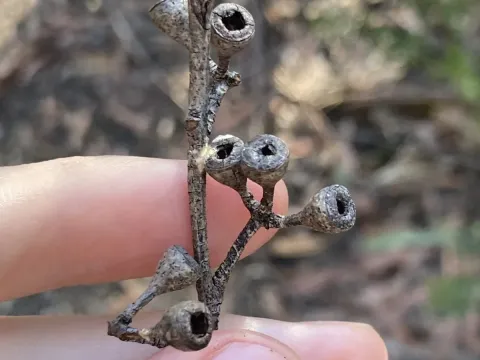
Lemon ironbark
Eucalyptus olida
Lemon ironbark is an evergreen species belonging to the Myrtaceae family. In agricultural practices, it is typically propagated from high-quality seeds in a controlled nursery environment to ensure uniform development.
What the section contains
Lemon ironbark
Seeds require a sterile medium and constant temperatures between 20 and 22 degrees Celsius for optimal germination. Proper light exposure is critical to avoid etiolation and promote sturdy seedling growth.
Seedlings are transplanted into individual containers once they develop several pairs of true leaves. Transitioning to open fields should only occur after the last risk of frost, as young plants are sensitive to low temperatures.
The spacing of the crop depends on the end goal: plantations intended for biomass production generally follow a denser planting pattern to maximize leaf yield per hectare.
Regular irrigation is essential during the establishment phase, as the root system needs time to penetrate the soil profile before the plants can withstand fluctuating environmental conditions.
Native to the tablelands of New South Wales, Australia, this species thrives in temperate climates. It prefers mild weather and is not suited for areas prone to severe or prolonged frosts.
The crop demands well-drained, fertile soil. Waterlogging is a significant threat to its health and can quickly lead to root rot; therefore, selecting sites with proper slope or drainage infrastructure is mandatory.
As a light-loving species, it requires full sun exposure. Sunlight is a primary factor in the development of the methyl cinnamate that gives the leaves their characteristic strawberry-like fragrance.
Shelter from strong winds is advisable to prevent mechanical damage to the branches. Mulching is recommended to retain moisture and regulate soil temperature, creating a stable environment for root health.
Nutrient management involves balanced fertilization during the active growing season. Excessive nitrogen should be avoided to prevent flushes of weak, succulent growth that are more susceptible to pests and diseases.
The primary economic product of Eucalyptus olida is its foliage, which is harvested for its essential oil and dried leaf culinary applications. Yield potential increases as the tree matures and its canopy develops.
Harvesting involves the pruning of young shoots, which encourages branching and long-term productivity. Full-scale harvest cycles usually begin a few years after the plantation is established.
Seasonal output varies depending on environmental conditions; hot, sunny summers typically boost the concentration of aromatic compounds within the leaf tissue. Consistent canopy management is key to maintaining yield.
Apart from essential oils, the leaves are widely utilized as a flavoring agent in the food industry. Its popularity as an Australian native spice continues to grow due to its unique and intense flavor profile.
Sustainable plantation management allows for multi-year usage, with well-cared-for trees providing regular harvests without the need for frequent replanting or soil disturbance.
High humidity levels pose a threat by encouraging fungal infections such as leaf spot and powdery mildew. Maintaining adequate airflow through canopy pruning is an effective preventive measure.
Sap-sucking insects, including aphids and scales, can infest the foliage, reducing both the aesthetic and commercial value of the crop. Integrated pest management, including biological controls, is preferred.
Root pathogens represent a lethal threat if the soil remains excessively damp. Vigilance in monitoring irrigation timing and soil permeability is essential for preventing mass losses in the plantation.
Leaf-eating insects can significantly damage the foliage. Regular scouting of the field is necessary to identify early signs of infestation and apply control measures before the damage becomes extensive.
General hygiene, such as the removal of dead plant material and infected branches, is crucial for minimizing disease pressure and maintaining a productive environment for the growing season.
Harvesting should be conducted during dry weather, ideally in the early morning after the dew has evaporated, to maximize the quality and concentration of the volatile essential oils.
Speed is critical after the leaves are cut. Leaving the harvest in heaps can cause fermentation and heating, which rapidly degrades the oil quality and alters the desired fragrance profile.
Drying must be performed in well-ventilated areas away from direct sunlight. Careful control of the drying temperature is necessary to prevent the loss of the delicate aromatic volatile components.
Packaging for storage must allow for adequate breathability. Airtight storage should be avoided unless the moisture content is perfectly stabilized, as humidity can quickly lead to mold and spoilage.
Post-harvest care involves a light pruning and a final irrigation cycle to assist the plants in recovering their vigor, ensuring the next generation of shoots develops according to schedule.