
Morrisby's Gum
Eucalyptus morrisbyi
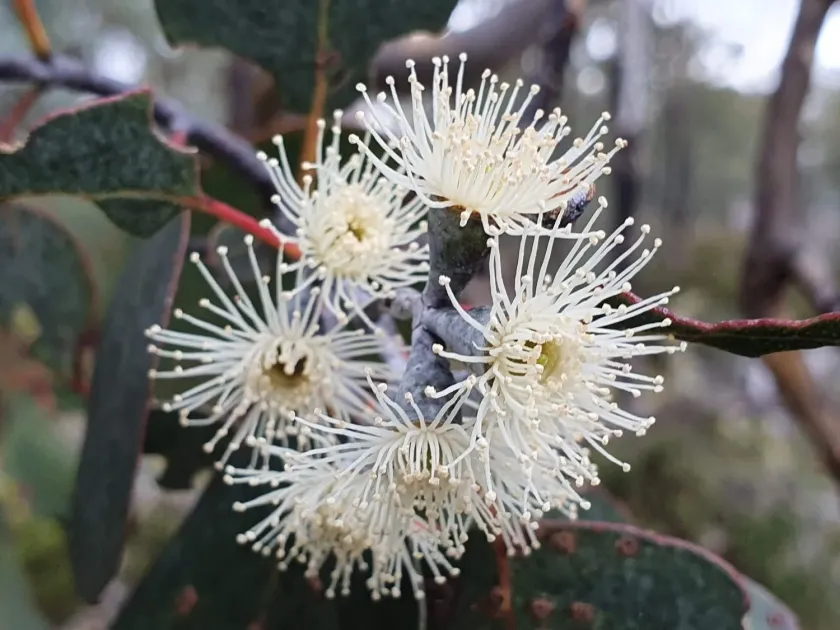
Description
Growing requirements
Morrisby's Gum (Eucalyptus morrisbyi) is a distinctive species of the Myrtaceae family, native to a very restricted range in south-eastern Tasmania. This evergreen tree is prized both for its conservation significance and its aesthetic appeal in specific landscape applications.
The tree thrives in cool-temperate climates with consistent annual rainfall. While it shows some resilience to cold, it is sensitive to severe, prolonged frosts, which can damage the cambium layer in younger specimens.
Optimal growth is achieved in well-drained, slightly acidic to neutral soils. It avoids waterlogged conditions, preferring slopes or elevated terrain where subsurface drainage is natural and efficient.
Full sun exposure is mandatory for healthy development. Eucalyptus morrisbyi exhibits poor growth and reduced vigor when shaded by larger canopy trees or buildings, which may lead to an elongated and brittle structure.
Agricultural management should prioritize soil aeration and moisture retention during the establishment phase. Once deep roots are developed, the tree becomes significantly more drought-hardy and requires minimal supplemental maintenance.
Main diseases and pests
Pest pressures primarily include leaf-feeding beetles and weevils that can damage the foliage and compromise the tree's photosynthetic capacity. Integrated pest management (IPM) is recommended to mitigate these issues.
Fungal pathogens such as leaf spot are more prevalent in high-humidity zones. Maintaining proper spacing between trees is crucial to ensure adequate airflow and reduce the humidity levels within the canopy.
Root rot caused by Phytophthora species is a critical threat to Eucalyptus species. Strict hygiene, such as using sanitized tools and soil-free growing media for seedlings, is essential for prevention.
Environmental stress, such as extreme heat waves coupled with drought, can predispose the tree to secondary infections. Regular monitoring during the summer months is necessary to detect early stress markers.
In forest plantations, browsing by wild herbivores can destroy young saplings. Protective caging or chemical repellents are often necessary until the trees reach a height where the terminal leaders are safe.