
Jackson's Eucalyptus
Eucalyptus jacksonii
Description
Growing requirements
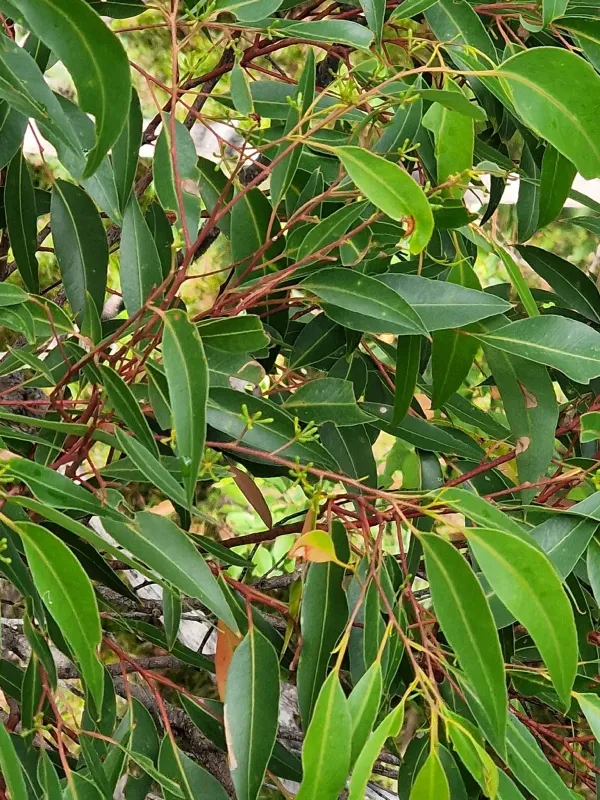
Jackson's Eucalyptus (Eucalyptus jacksonii) is a tall, evergreen tree belonging to the Myrtaceae family. It is an endemic species native to the southwestern corner of Western Australia, where it thrives in high-rainfall forest environments.
The botanical structure of this species is characterized by its massive trunk and high-quality hardwood. In its natural habitat, it serves as a keystone species, supporting diverse local biodiversity and contributing to the stability of the forest structure.
Climate requirements for this species are specific: it prefers mild, temperate conditions with high humidity levels. While it is adaptable to various soil types, it performs best in deep, fertile, and well-drained loamy soils that prevent the risk of root rot.
Regarding agrotechnical practices, planting should focus on maintaining adequate soil moisture during the establishment phase. Young trees require protection from harsh winds and should be spaced sufficiently to allow for the development of their wide, spreading root systems.
The timber of Eucalyptus jacksonii is highly prized for its density and durability. It is historically significant for construction and furniture manufacturing, although the species is now primarily managed for conservation rather than large-scale commercial logging.
Main diseases and pests
The primary threat to the health of these trees is the root pathogen Phytophthora cinnamomi. This soil-borne fungus poses a significant risk to the longevity of the trees, especially in areas with stagnant water or poor drainage.
Additionally, the species is susceptible to various defoliating insects that can reduce growth vigor. Implementing preventative forest hygiene and monitoring for symptoms of infection are crucial components of maintaining healthy Eucalyptus jacksonii populations.