
Moon Eucalyptus
Eucalyptus lunata
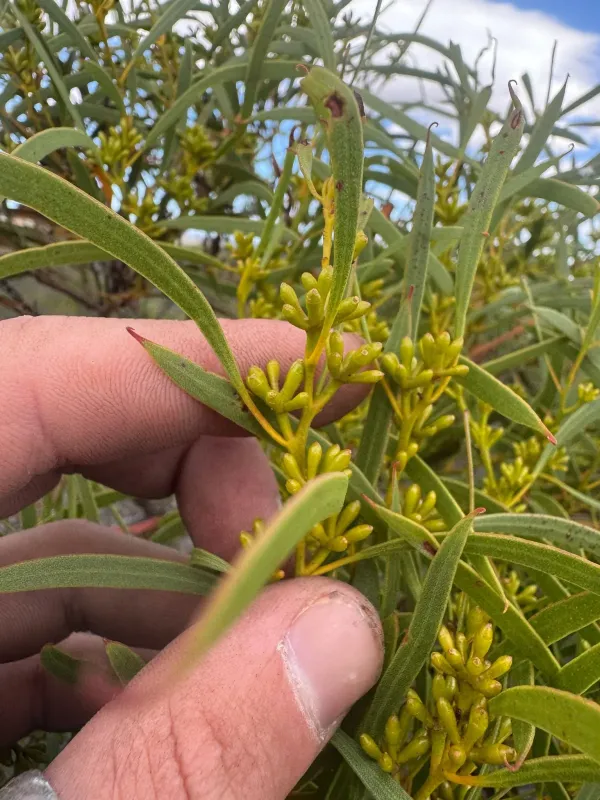
Description
Growing requirements
Eucalyptus lunata, commonly known as Moon Eucalyptus, is a perennial evergreen tree belonging to the Myrtaceae family. Originally native to specific regions of Australia, it has adapted to diverse environmental conditions within its natural habitat.
The plant requires full sun exposure to thrive and maximize its biomass production. It is highly sensitive to shade and overcrowding, which can lead to stunted growth and increased susceptibility to environmental stressors.
Agricultural success depends on well-drained, sandy or loamy soils. Waterlogged conditions are detrimental to the root system, often leading to rapid decline. The species prefers a slightly acidic environment for optimal nutrient uptake.
Temperature requirements are centered around subtropical climates where frost is rare or mild. While mature trees can withstand temporary cold snaps, young saplings require protection during the first few years of establishment.
The economic value of this species lies in its foliage, which is harvested for high-quality essential oil extraction. Additionally, the wood is utilized in localized timber production due to its specific density and resilience.
Main diseases and pests
Pest pressures primarily include defoliating insects such as beetles and larvae that target the oil-rich leaves. Monitoring for infestations during the early stages of the growing season is critical for maintaining canopy health.
Pathogen threats are mostly fungal, including leaf spot diseases and root rot pathogens that thrive in humid, poorly ventilated microclimates. Implementing adequate spacing between trees is the most effective cultural method to mitigate these risks.