
Peppermint box
Eucalyptus odorata
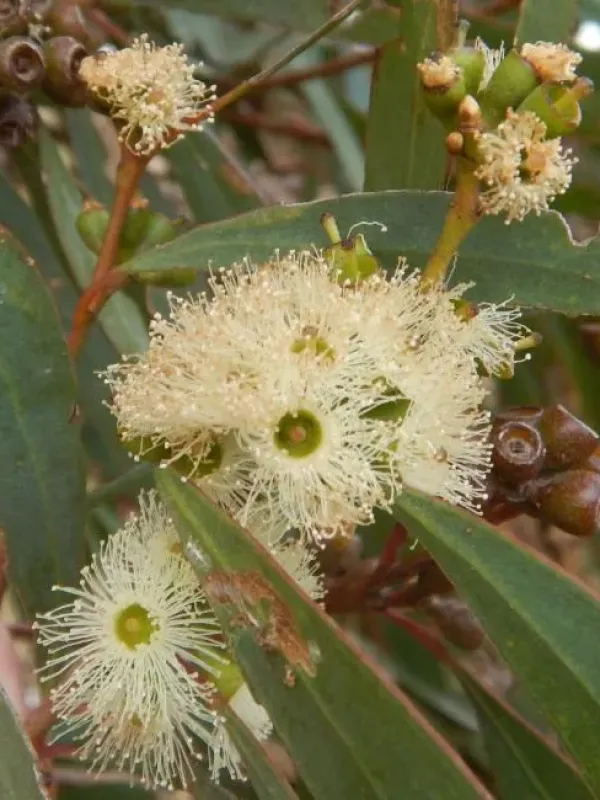
Description
Sowing dates
Sowing of Eucalyptus odorata seeds is typically conducted in protected environments, as the seedlings are highly sensitive to low temperatures and excessive moisture during the early growth stages. Early spring is the optimal time for sowing to ensure plants are strong enough before transplanting.
Seeds should be sown in a light, well-drained substrate without burying them deeply, as they require light exposure for successful germination. Maintaining a soil temperature between 20 and 25 degrees Celsius is crucial.
Pricking out of seedlings occurs after the appearance of the first pair of true leaves. This step is essential for developing a robust root system capable of withstanding the drought-prone conditions of its natural habitat.
The hardening-off process for seedlings takes two to four weeks. Gradually exposing young plants to direct sunlight and cooler nighttime temperatures significantly improves their environmental adaptability.
Transplanting into open ground should only happen after the risk of late spring frosts has passed, typically when the soil has sufficiently warmed up in late May or early June.
Growing requirements
Eucalyptus odorata belongs to the Myrtaceae family and is native to Australia. This species is adapted to semi-arid climate zones with distinct summer periods and moderate winter humidity.
The culture prefers well-lit sites with full sun exposure. Shady areas cause spindly growth and result in a lower concentration of aromatic essential oils in the foliage.
Soil requirements are moderate, though the species thrives best in light loams or sandy soils with neutral or slightly acidic pH levels.
Adequate drainage is a vital requirement for success. Water stagnation around the roots is detrimental to eucalyptus, frequently leading to root rot and eventual plant failure.
Mature trees exhibit high tolerance to intermittent drought, making them suitable for land reclamation and afforestation in regions with limited water resources.
Yield
The primary product is essential oil, which is highly valued in pharmaceutical and fragrance industries. Yield depends largely on planting density and the maturity of the stands.
In industrial cultivation, the yield of green biomass can range from 5 to 15 tons per hectare, depending on the frequency of cuttings during the growing season.
Harvest frequency is carefully managed by agronomists to avoid exhausting the nutrient reserves in the tree roots, thus ensuring long-term plantation productivity.
Eucalyptus wood is widely utilized in the pulp and paper industry, which adds economic value to the crop when grown under suitable climatic conditions.
Peak biomass production is achieved through systematic care, including regular nitrogen fertilization during the active shoot growth phase.
Main diseases and pests
Common pests include sap-sucking insects like aphids and scale insects, which damage young shoots and foliage, thereby reducing the accumulation of essential oils.
Fungal diseases, such as leaf spot, tend to develop under conditions of high humidity and poor air circulation. Regular pruning and thinning help minimize infection risks.
Root rot remains the most significant threat if irrigation practices are not strictly controlled. Maintaining a dry root collar is essential for plant health.
In regions where eucalyptus is introduced, leaf-eating beetles can cause substantial damage, potentially destroying a large portion of the biomass in young plantations.
Integrated pest management strategies are recommended to protect the ecosystem and maintain plantation health without excessive reliance on chemical agents.
Harvesting
Green biomass harvesting is conducted mechanically or by hand, focusing on current-year shoots. Harvesting in the early morning hours is ideal to maximize oil content.
The harvested material must be processed immediately to prevent the evaporation of volatile components. Steam distillation is the standard method for essential oil extraction.
For timber production, planned logging cycles are implemented, with harvest timing determined by local forestry management plans and growth rate assessments.
Post-harvest care involves immediate fertilization and irrigation to stimulate the growth of new vegetative shoots, ensuring the plantation regenerates efficiently.
Tools used for pruning and harvesting must be disinfected before each use to prevent the transmission of pathogens between individual trees.