
New England peppermint
Eucalyptus nova-anglia
Description
Growing requirements
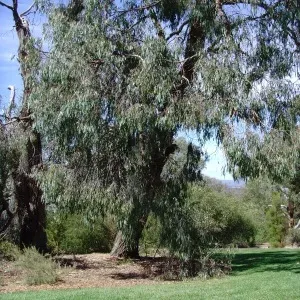
The New England peppermint (Eucalyptus nova-anglia) is an evergreen tree species belonging to the Myrtaceae family. Known for its distinct aromatic foliage, it typically grows in the form of a small to medium-sized tree with fibrous or stringy bark.
Native to the New England Tableland in New South Wales, Australia, this species thrives in cooler temperate climates. Its natural distribution demonstrates an adaptation to higher altitudes, allowing it to withstand frost conditions that would damage tropical eucalyptus species.
Regarding soil requirements, this eucalyptus prefers well-drained loamy soils. Although it can tolerate a range of soil types, it performs poorly in waterlogged areas, making proper site selection and effective soil drainage essential for plantation success.
Agricultural management requires exposure to full sun to ensure optimal growth rates and structural health. Adequate spacing is recommended to prevent excessive competition for light and nutrients among individual trees during their rapid establishment phase.
The economic value of this tree lies in its biomass production and oil distillation, as its leaves are rich in essential oils. It is frequently employed in reforestation projects, carbon sequestration initiatives, and as an ornamental component in large-scale landscaping.
Main diseases and pests
Common pests include various defoliating insects, such as chrysomelid beetles and leaf-tier moths, which can cause significant damage to young saplings if not managed through regular monitoring and appropriate biological control.
Fungal pathogens causing leaf spots and root decay can impact plantations during seasons with prolonged wet weather. Ensuring good airflow and maintaining site hygiene are the primary preventative measures against these threats to tree health.