
Maiden's gum
Eucalyptus maidenii
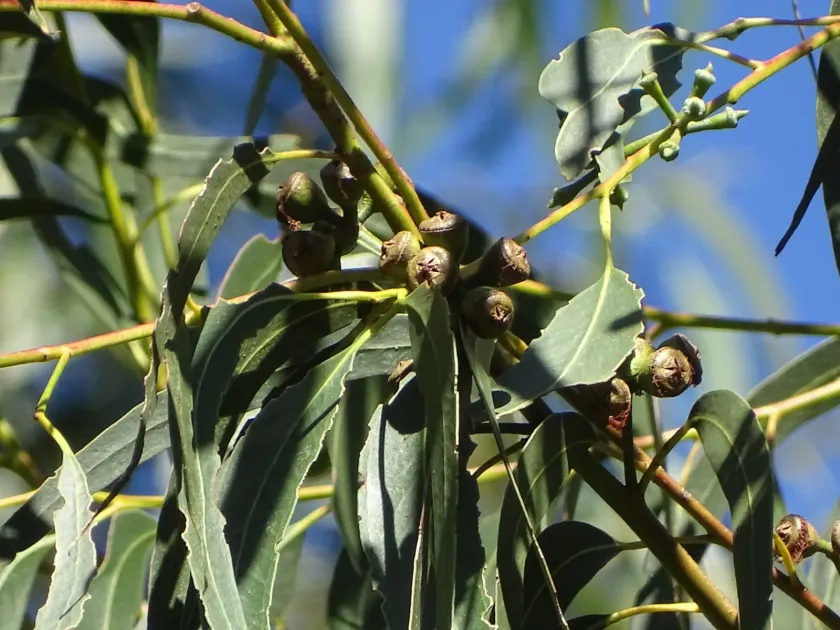
Description
Growing requirements
Maiden's gum (Eucalyptus maidenii) is a tall, evergreen tree from the Myrtaceae family, known for its rapid growth and straight, high-quality timber. It is highly valued in commercial forestry plantations.
Native to south-eastern Australia, specifically Victoria and New South Wales, the species thrives in cool, moist climates. It prefers deep, well-drained, and nutrient-rich soils to reach its full height.
When selecting a site for cultivation, it is essential to consider the tree's moderate tolerance to frost. While mature trees are robust, young saplings require protection from extreme winter conditions.
Agricultural practices should focus on proper irrigation during the establishment phase. Ensuring adequate water supply during the first two years is crucial for robust root development.
The timber produced by Eucalyptus maidenii is heavy, hard, and durable. It is commonly used for high-quality furniture, flooring, and as a raw material for the pulp and paper industry.
Main diseases and pests
The primary biotic threats to Maiden's gum include various leaf-feeding insects, such as beetles and weevils, which can cause significant defoliation in young plantations.
Fungal pathogens represent a significant risk, particularly root rots triggered by poor drainage or waterlogged soil conditions. Proper site preparation is the best preventive measure.
Leaf rust and spots may occur in dense stands where air circulation is restricted. Thinning the canopy or maintaining correct planting density is vital for disease management.
Monitoring for signs of pest infestation during the growing season is recommended. Early intervention with biological controls can prevent extensive damage to the forest crop.
Maintaining soil health through appropriate nutrient management helps the trees develop stronger resistance against environmental stressors and potential pathogens.