
Johnston's Eucalyptus
Eucalyptus johnstonii
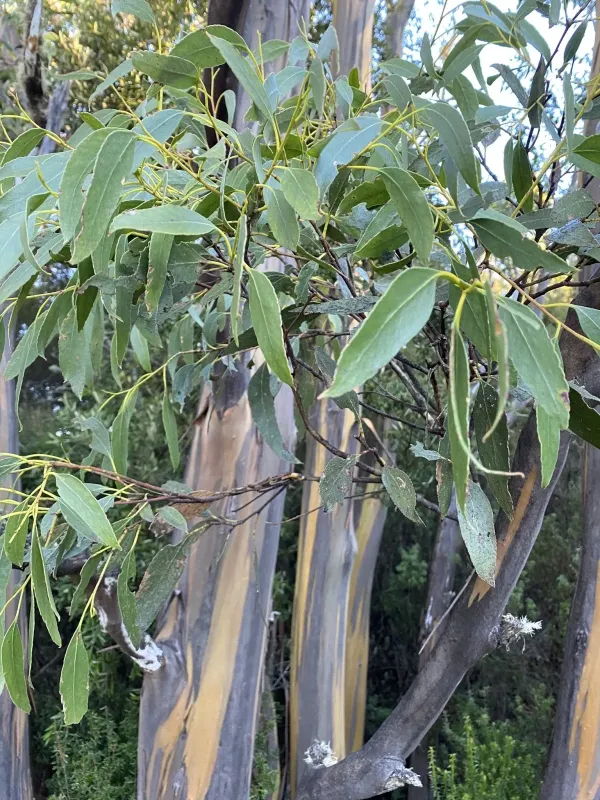
Description
Sowing dates
Sowing seeds of Eucalyptus johnstonii in nurseries is typically performed in early spring, once stable warm temperatures are established. The seeds show high viability but require stratification to increase germination energy.
The substrate is prepared using peat and sand, enriched with mineral fertilizers to ensure a vigorous start for young seedlings. The optimal temperature for germination ranges from 20 to 25 degrees Celsius.
Once the first pair of true leaves emerges, seedlings are pricked out into individual containers to develop a robust root system. This stage is critical, as the culture is sensitive to root disturbance during transplanting.
Transplanting into the field is carried out only after the saplings reach a height of 30–50 centimeters. The best time for planting is the start of the rainy season, which ensures sufficient natural moisture.
Planting density varies based on the intended use of the timber, but usually involves 1200–1600 plants per hectare to facilitate effective forest restoration.
Growing requirements
Eucalyptus johnstonii belongs to the Myrtaceae family and naturally occurs in the subalpine regions of Tasmania. It is an evergreen tree capable of withstanding brief frost, making it unique among many other eucalyptus species.
The culture prefers deep, well-drained, and fertile soils with an acidic or neutral pH level. Waterlogging is fatal to the root system, which makes selecting an elevated site with natural drainage a priority.
For optimal growth, the tree requires high air humidity and a moderately cool climate. Excessive heat or prolonged drought significantly slows down growth rates, a factor that must be considered when selecting a cultivation region.
The plant is light-loving, so plantations should not be crowded or shaded by other tree species. Open areas protected from storm winds allow for the formation of a straight and even trunk, which is essential for timber quality.
Caring for the culture includes regular soil condition monitoring and the application of balanced fertilizers containing phosphorus and potassium. Young plants require mandatory protection from rodents and wild animals during the first years.
Yield
Eucalyptus johnstonii is valued in the forestry industry for its hard and durable wood, which is widely used in furniture manufacturing and construction. Biomass growth rates depend on soil fertility and the level of management.
Under intensive cultivation, marketable timber reaches operational specifications at the age of 30–40 years. The industrial importance of the species is defined by its ability to accumulate trunk volume rapidly under favorable environmental conditions.
Besides timber, essential oil derived from the leaves is a significant product. The yield of green biomass per hectare allows the species to serve as a raw material source for the pharmaceutical and perfume industries.
Regular sanitary logging and thinning help increase the average output of commercial timber per unit area. Effective management ensures stable returns when planning long-term forestry activities.
Seed yields for further propagation are collected from mother trees at the age of 15 years or older. The quality of seeds depends directly on following strict collection protocols and proper drying in well-ventilated facilities.
Main diseases and pests
The main diseases affecting Eucalyptus johnstonii include fungal infections such as leaf spot and root rot, often caused by soil over-saturation. Timely application of fungicides helps to control infection hotspots.
Pests, such as various species of leaf beetles and weevils, can cause significant damage to young plantations by eating apical buds. Regular inspections allow for early detection of pest populations.
Biological control, which includes the introduction of beneficial entomophages, is preferred in environmentally conscious operations. Chemical insecticides should be used only in cases of severe infestation.
Wind damage and bark injuries caused by large animals pose a serious threat to the integrity of the forest stand. Installing protective fencing around the perimeter of the plot reduces the risk of mechanical damage.
Climate stress, including anomalous frosts, can lead to the loss of a significant portion of young plants, making it crucial to select cold-hardy ecotypes when establishing plantations.