
Planchon's stringybark
Eucalyptus planchoniana
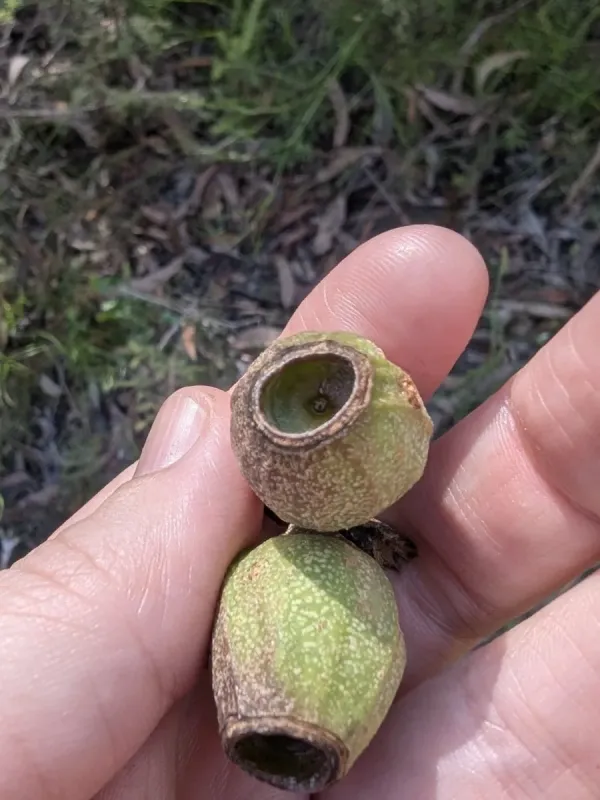
Description
Growing requirements
Planchon's stringybark (Eucalyptus planchoniana) is a species of tree belonging to the Myrtaceae family. It is native to the coastal regions of eastern Australia, where it thrives in diverse landscape settings and soil types.
This species is highly regarded for its adaptability to poor, sandy soils, making it an excellent candidate for reforestation projects in challenging environments. Proper soil drainage is essential for maintaining the health of the root system.
Regarding climatic requirements, it performs best in subtropical climates characterized by moderate rainfall and plenty of sunlight. While mature trees show resilience to minor frost, they generally flourish in areas where temperatures remain above freezing.
Botanically, the tree is recognized by its distinct fibrous bark and lance-shaped leaves, which are rich in essential oils. These oils contribute to the tree's natural resistance against various pests and environmental stress factors.
Economically, the tree is utilized for timber production and sustainable forest management. Its growth habit and aesthetic appeal also make it a common choice for landscaping in regions with suitable environmental conditions.
Main diseases and pests
Fungal pathogens associated with waterlogged conditions pose the most significant threat to this species. Preventive measures should focus on site selection and ensuring proper soil aeration to avoid root rot issues.
Insect pests, including various leaf-eating beetles, may occasionally attack younger saplings. Monitoring the nursery stage and young plantations is recommended to ensure robust growth and minimal damage to foliage.
Environmental stress, such as extreme wind or prolonged moisture deficits, can impact the vigor of the tree. Providing adequate water during the early stages of development is crucial for long-term health.
Weed management is a standard agricultural requirement during the establishment phase. Keeping the area surrounding the trunk clear helps reduce nutrient competition and promotes faster development of the saplings.
Maintaining biological diversity in the surrounding area can help balance the insect population and suppress potential outbreaks. A healthy ecosystem typically supports the natural resistance of the eucalyptus against local threats.