
Imlay Mallee
Eucalyptus imlayensis
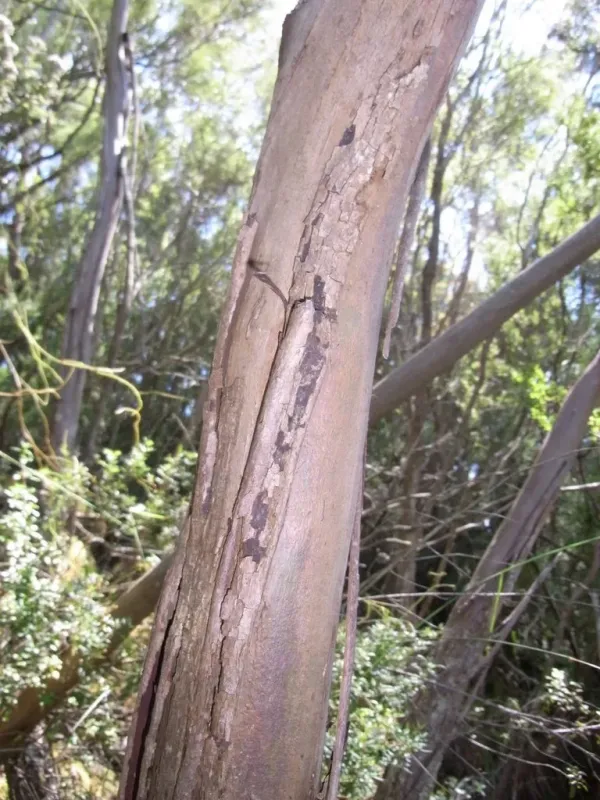
Description
Growing requirements
The Imlay Mallee (Eucalyptus imlayensis) is a rare and distinct species belonging to the Myrtaceae family. It is naturally occurring as an endemic species restricted to the slopes of Mount Imlay in New South Wales, Australia.
Botanically, this tree is recognized for its mallee growth habit, where multiple stems grow from a lignotuber. This structural feature is an evolutionary adaptation that allows the plant to survive in rugged, resource-limited mountainous environments.
Cultivation of this species requires well-drained, acidic sandy soils that mimic its natural habitat. Adequate soil aeration is essential for preventing root rot, as the species is highly sensitive to waterlogged conditions.
In terms of climate, the Imlay Mallee prefers cool temperate conditions with consistent moisture. It requires full sunlight exposure to achieve optimal growth rates and to maintain the dense foliage characteristic of the genus.
Agricultural management should focus on preserving the soil structure and providing balanced, low-phosphorus fertilizers to support growth without causing nutrient toxicity, which is common in many native Australian plants.
Main diseases and pests
The primary biological threat to the Imlay Mallee is Myrtle Rust, a fungal pathogen that can cause severe damage to the foliage and young reproductive structures of the plant.
Insect pests, specifically leaf-eating beetles and psyllids, pose a constant threat to the health of the canopy, necessitating regular monitoring in managed stands or nurseries.
Environmental threats, such as intense, high-frequency wildfire events, can negatively impact the reproductive success of the local populations, as the seeds require specific conditions for germination.
Invasive weed species compete with the Imlay Mallee for limited resources in its native habitat, creating a significant challenge for conservation and habitat restoration efforts.
Effective management strategies include the implementation of integrated pest management (IPM) practices and the restriction of human-caused disturbances in critical growth zones to ensure the species' survival.