
Eugenia balansae
Eugenia balansae
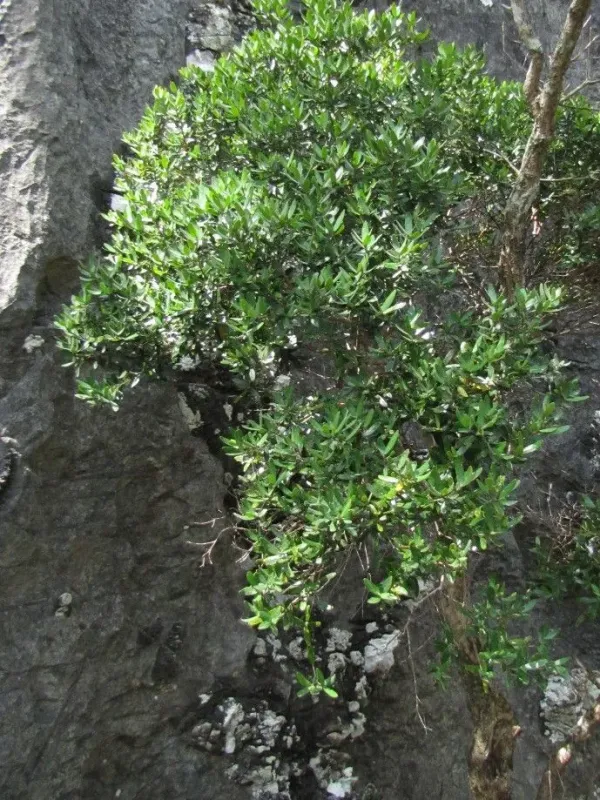
Description
Growing requirements
Eugenia balansae is a notable species within the Myrtaceae family, native to the tropical ecosystems of South America. It typically grows as a small to medium-sized evergreen tree in humid, warm environments.
Successful cultivation requires specific environmental conditions, primarily stable high temperatures and consistent humidity levels. This species is sensitive to cold and must be kept in controlled environments in non-tropical zones.
The soil should be well-draining, rich in organic matter, and slightly acidic. Good aeration is vital for root health, and the addition of coarse elements to the substrate is highly recommended to prevent waterlogging.
Light requirements are high, yet the plant prefers filtered or indirect sunlight to protect its leaves. Excessive exposure to direct tropical sun during peak hours can damage the delicate foliage.
Regular maintenance involves precise watering routines. The soil should remain moist but never waterlogged, as the roots are particularly susceptible to fungal pathogens when exposed to stagnant water.
Yield
The primary agricultural interest in Eugenia balansae lies in its fruit production. While not a major commercial export crop, it is highly valued in local markets for its unique culinary potential.
The fruit typically features a thin skin and a flavorful pulp. Depending on the local varieties and soil fertility, trees can provide multiple harvests throughout the growing season.
Yield management requires careful monitoring of tree health, as nutrient deficiencies can lead to poor fruit development. Proper fertilization during the flowering stage is essential for optimal harvest volumes.
Harvesting is performed manually when the fruit reaches full color intensity. Because the fruit is perishable, it is usually consumed locally or processed into artisanal jams and refreshments.
In addition to its fruit, the species serves as an ornamental plant. Its evergreen nature and attractive flowering cycle make it a popular selection for botanical collections and greenhouses.
Main diseases and pests
Common pests include scale insects, which attach themselves to branches and leaves. These pests are notoriously difficult to control once established and require specific systemic insecticides.
Mealybugs are another threat, often appearing in dense clusters within leaf axils. They thrive in poorly ventilated areas and can significantly hinder the growth of young trees.
Spider mites represent a major risk during dry seasons or low-humidity conditions inside greenhouses. They pierce leaves to feed on cellular content, causing yellowing and leaf drop.
Fungal issues, such as leaf spot and root rot, occur when moisture levels are not managed correctly. Proper spacing and airflow are the most effective preventive measures against these infections.
Integrated pest management, combining physical inspection and targeted biological control, is the best approach to maintaining a healthy population of Eugenia balansae trees.