
Eugenia bahiensis
Eugenia bahiensis
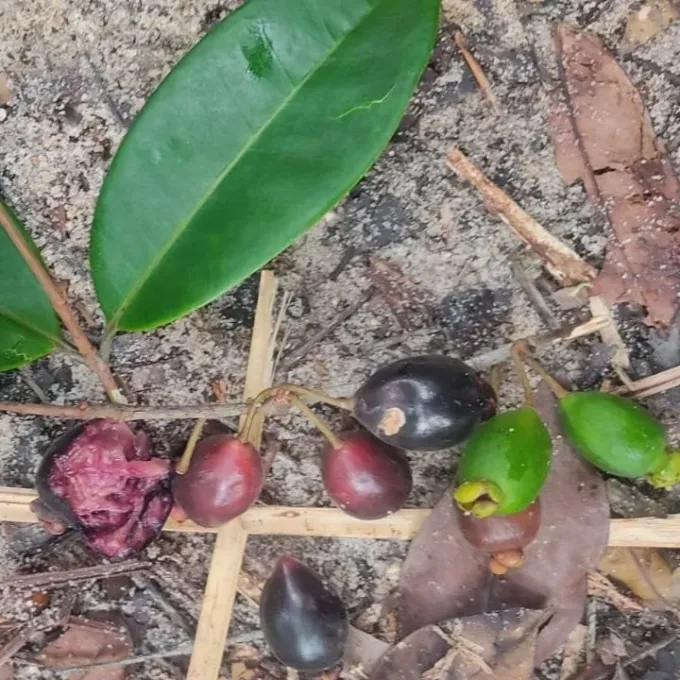
Description
Growing requirements
Eugenia bahiensis is an evergreen shrub or small tree belonging to the Myrtaceae family. This species is native to the tropical regions of Brazil, primarily found in the coastal Atlantic Forest biomes.
The plant is highly sensitive to temperature and requires a strictly tropical, humid climate with no frost exposure. To thrive, it needs consistently warm temperatures and protection from strong, drying winds.
Regarding soil conditions, Eugenia bahiensis demands loose, fertile, and well-drained loamy soils rich in organic matter. Maintaining consistent soil moisture is crucial, provided that waterlogging is prevented to avoid root issues.
Agronomic management requires providing sufficient sunlight; however, young seedlings perform better when partially shaded during their early development. Regular irrigation is essential, particularly during periods of active growth and fruit set.
The economic value of this crop lies in its edible fruit, which possesses a unique flavor and aroma. Additionally, it is frequently utilized in landscaping as an ornamental plant due to its dense foliage and attractive flowering habit.
Main diseases and pests
The main threats to Eugenia bahiensis include common pests affecting Myrtaceae, such as scale insects and mealybugs, which target young leaves and tender shoots.
Excessive humidity combined with poor air circulation often triggers fungal diseases, including various types of leaf spot pathogens.
In its native habitat, the plant can be susceptible to specific tropical insects that require continuous canopy monitoring.
Disease prevention is primarily achieved by maintaining adequate spacing between plants, which ensures effective ventilation throughout the canopy of each tree.
The use of biological insecticides is the preferred method for pest management in orchards aiming to produce eco-friendly, high-quality fruit.