
Largeana Eucalyptus
Eucalyptus largeana
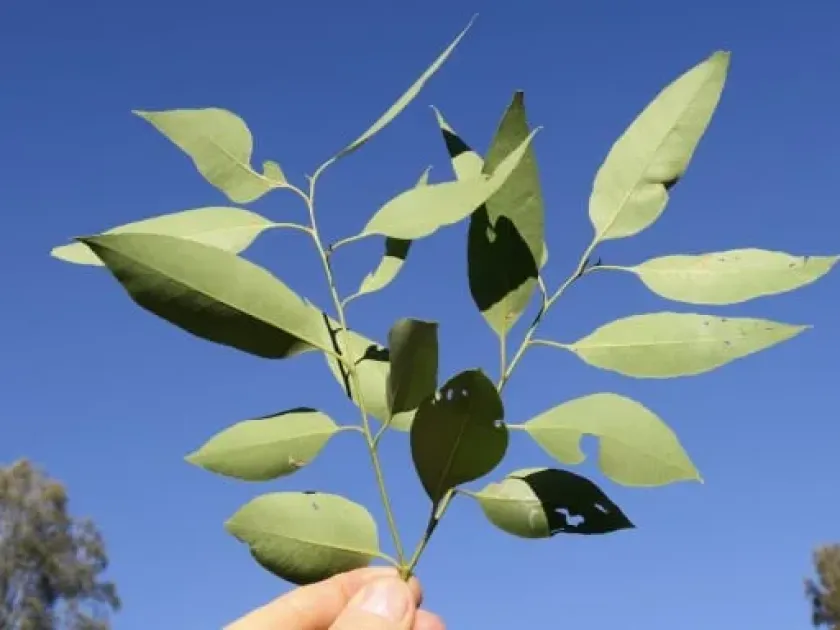
Description
Sowing dates
The cultivation of Eucalyptus largeana begins with the careful selection of seeds, which are usually sown in controlled nursery environments to ensure high germination rates.
Seeds are typically planted in a well-draining, nutrient-rich substrate. Maintaining a consistent temperature between 18 and 22 degrees Celsius is crucial for initial development.
Seedlings require a period of hardening before being transplanted to the field. During this stage, irrigation must be carefully managed to prevent excessive moisture, which can cause damping-off.
Field transplantation is best performed after the threat of frost has passed, ensuring the soil is warm enough to encourage rapid root growth in the new location.
Planting density is determined by the intended end use of the crop. For timber production, closer spacing is often employed to promote straight trunk development and suppress side branching.
Growing requirements
Eucalyptus largeana, belonging to the Myrtaceae family, is a fast-growing species that thrives in regions with abundant sunlight and a temperate to subtropical climate.
This crop prefers fertile, well-drained soils with a slightly acidic to neutral pH. It is highly sensitive to waterlogged conditions, which can lead to root rot and poor tree vigor.
While the tree shows some tolerance to dry periods once established, consistent soil moisture during the juvenile stage is vital for its rapid biomass accumulation.
The species is not frost-tolerant and requires protection from extreme cold. Choosing a site with a mild microclimate is essential for successful commercial plantations.
Good agricultural practices include weed control in the first few years to reduce competition for nutrients and regular fertilization to support the high growth demands of the species.
Yield
Yield estimation for Eucalyptus largeana focuses on wood volume increment per hectare. The species is known for its rapid growth, allowing for relatively short rotation cycles.
Beyond timber, the foliage of the eucalyptus is a source of essential oils. Harvesting leaves requires careful management to balance biomass removal with the overall health of the tree.
The durability of the timber makes it suitable for diverse industrial applications, including heavy-duty construction, high-quality furniture manufacturing, and paper pulp production.
Improved yields are achieved through silvicultural techniques, such as selective thinning and fertilization programs designed to optimize nutrient uptake.
Consistent record-keeping of tree height and diameter growth is standard practice for evaluating the economic potential of eucalyptus plantation investments.
Main diseases and pests
Fungal diseases are a primary threat to eucalyptus plantations, particularly in humid climates where leaf spot and powdery mildew can significantly impact plant vigor.
Various insect pests, including leaf-eating beetles and wood-borers, can cause damage. Integrated pest management strategies are necessary to minimize losses without harming beneficial species.
Sanitation practices, such as the removal of dead or diseased woody material, are critical for preventing the spread of pathogens throughout the forest stand.
Crop monitoring should be performed regularly to detect early signs of infestation or infection, allowing for targeted interventions before the problem spreads.
Resistance to pests and diseases can also be managed through the selection of healthy, high-quality seedlings that exhibit stronger natural resilience to common local threats.