
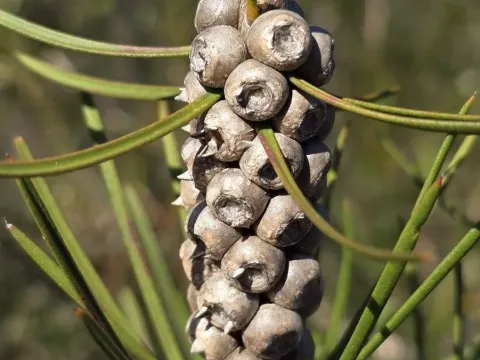
Callistemon linearis
Callistemon linearis
Callistemon linearis, commonly known as the linear-leaved bottlebrush, is a hardy evergreen shrub belonging to the Myrtaceae family. Native to the coastal regions of New South Wales in Australia, this plant is characterized by its narrow, stiff leaves and vibrant, brush-like flower spikes that bloom in shades of deep red.
What the section contains
Callistemon linearis
The plant thrives in full sun, which is essential for healthy foliage development and robust flowering. In terms of soil, it prefers well-drained, slightly acidic to neutral sandy loams, though it displays high adaptability to various soil types if proper drainage is provided to prevent waterlogging.
Climate requirements include a warm temperate to subtropical environment. While Callistemon linearis is relatively drought-tolerant once established, it requires consistent moisture during its initial growth phase and throughout the peak blooming season to sustain its extensive energy requirements.
Agricultural practices for this species focus on regular pruning. By trimming the shrub back after the flowering cycle, gardeners encourage bushier growth and ensure more prolific blooming in the following season. It is a highly popular plant for ornamental hedges and landscape stabilization due to its dense branching.
When grown in containers, it is critical to use a high-quality, porous potting mix and ensure the pot has adequate drainage holes. Regular fertilizing with a phosphorus-low fertilizer is recommended, as species within the Myrtaceae family are often sensitive to high levels of phosphorus in the soil.
The primary pests affecting Callistemon linearis are sap-sucking insects, including spider mites and mealybugs. These thrive in dry, stagnant air conditions and can cause significant damage to the foliage if left untreated; frequent monitoring of leaf undersides is advised.
Scale insects represent another significant threat, attaching themselves to the stems and branches. These pests are best managed through physical removal or the application of horticultural oils, which create a protective barrier and suffocate the insects without harming the plant's delicate tissues.
Root rot is a critical fungal threat usually associated with overwatering or poor drainage systems. To mitigate this risk, one should ensure the root zone is never left sitting in stagnant water, which can quickly lead to the death of the plant's vascular system.
Nutritional deficiencies, specifically iron chlorosis, frequently occur when the soil pH is too high, preventing the plant from absorbing necessary micronutrients. Regular soil testing and the addition of chelated iron can effectively correct this imbalance and restore green pigment to the leaves.
Leaf spot diseases, while less common, may occur in high-humidity environments with poor ventilation. The best preventative strategy is to ensure adequate spacing between plants and avoid overhead irrigation that keeps the leaves damp for extended periods during the day.