
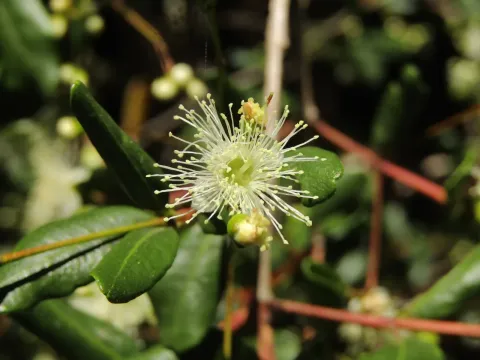
Blepharocalyx
Blepharocalyx
Blepharocalyx is a genus of evergreen trees belonging to the Myrtaceae family. Propagation is primarily achieved through seeds, which require specific preparation and controlled temperatures to ensure optimal germination rates in nursery conditions.
What the section contains
Blepharocalyx
For industrial cultivation, seeds should be sown in well-drained, nutrient-rich substrates, typically a mix of peat and sand. Maintaining high humidity is essential during the early stages of development to prevent desiccation of the delicate seedlings.
The transition from nursery beds to open-field planting requires careful hardening of the young plants. This acclimatization period helps the seedlings withstand environmental stress such as direct sunlight and fluctuating wind speeds.
Planting density is a critical factor for long-term productivity and health of the stand. Adequate space between trees prevents competition for essential resources and facilitates better air circulation, which reduces the risk of fungal infections.
Regular monitoring during the first years of growth is crucial for establishing a robust root system. Providing balanced fertilization and consistent moisture allows the plants to develop strong trunks and healthy canopy structures.
Blepharocalyx species are native to subtropical and tropical regions of South America, thriving in climates with stable temperatures. They prefer environments that offer high humidity and protection from extreme temperature drops.
These plants demonstrate a high demand for soil moisture, often found growing in riparian zones or near swampy areas. However, they require soil with good internal drainage to prevent root asphyxiation, which can occur in stagnant water.
The optimal growth temperature ranges from 18 to 28 degrees Celsius. Protection from cold winds and frost is essential if the species is introduced to areas outside its natural range, as it is sensitive to freezing conditions.
Neutral to slightly acidic soil conditions are ideal for nutrient uptake. Applying organic mulch around the base of the trees helps maintain soil moisture levels and improves the soil structure over time, benefiting the root system.
Efficient irrigation management, such as drip systems, is recommended to ensure consistent growth throughout the seasons. Proper water delivery supports the tree's physiological needs without creating overly humid conditions that promote disease.
The primary economic value of Blepharocalyx lies in its high-quality timber, which is dense, durable, and naturally resistant to rot. This makes it a preferred material for construction, furniture making, and exterior joinery.
The physical properties of the wood allow for precise mechanical processing and finishing. As sustainable forestry practices gain traction, Blepharocalyx is becoming a significant resource for regional timber production.
Beyond timber, the foliage of several species contains essential oils, which are of interest to the pharmaceutical and cosmetic industries. Sustainable harvesting of leaves allows for the secondary use of the biomass without damaging the trees.
The species also provides significant ecological benefits by acting as a honey plant, supporting pollinator populations in forest ecosystems. Its evergreen canopy contributes to microclimate stabilization in managed forest areas.
Proper forest management, including selective logging and replanting, ensures a sustainable supply of materials. Blepharocalyx's resilience in its preferred habitat makes it a reliable component of local silvicultural systems.
Blepharocalyx is susceptible to various fungal diseases, especially when grown in excessively humid environments. Vascular wilt and leaf spot diseases are common concerns that require proactive management to protect the stand's health.
Insect pests can also cause significant damage, with caterpillars and leaf-feeding beetles being the most problematic during the peak growing season. Early detection is vital for controlling their populations and minimizing impact on foliage.
- Root rot caused by waterlogged soil conditions.
- Powdery mildew affecting the leaves during warm, humid weather.
- Stem borers damaging the inner wood in older trees.
- Aphid infestations on tender new shoot growth.
Integrated Pest Management (IPM) is the most effective approach for maintaining healthy stands. This includes monitoring for symptoms, promoting natural predators, and using selective biopesticides when necessary.
Maintaining proper tree spacing and thinning overcrowded stands improves air circulation and sunlight penetration. These cultural practices significantly reduce the incidence of disease and create a more resilient forest environment.