
Callistemon
Callistemon
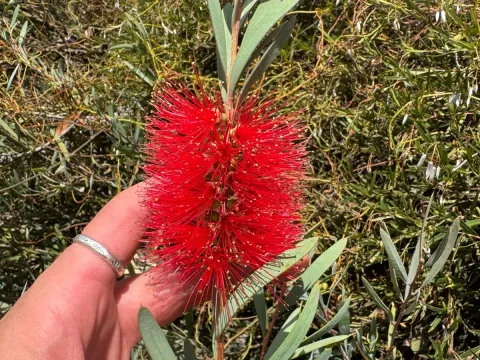
Callistemon, commonly known as bottlebrush, is a genus of shrubs and trees in the Myrtaceae family. Renowned for its distinctive, brush-like flowers, this plant is native to Australia and is widely appreciated for its hardiness and aesthetic appeal in various garden landscapes.
What the section contains
 Callistemon acuminatus
Callistemon acuminatus
Callistemon acuminatus
 Callistemon brachyandrus
Callistemon brachyandrus
Callistemon brachyandrus
 Callistemon coccineus
Callistemon coccineus
Callistemon coccineus
 Callistemon hybrids
Callistemon hybrids
Callistemon hybrids
 Callistemon linearis
Callistemon linearis
Callistemon linearis
 Callistemon pinifolius
Callistemon pinifolius
Callistemon pinifolius
 Callistemon pityoides
Callistemon pityoides
Callistemon pityoides
Callistemon
The plant requires full sun exposure to thrive and produce its signature vibrant spikes. While it can adapt to different soil types, it performs best in well-draining, slightly acidic to neutral soils that prevent root saturation.
Climate adaptability is a key feature of the species, though it prefers temperate to tropical conditions. In colder climates, Callistemon is successfully managed as a container plant, brought indoors during frost-prone winter months to ensure survival.
Agricultural management involves regular pruning to encourage bushy growth and promote further flowering cycles. It is a drought-tolerant species once established, but it requires consistent moisture during the initial planting stages and during the peak of the growing season.
Economically, Callistemon is highly valued in the nursery industry and for urban landscaping due to its resilience against wind and its ability to attract pollinators, such as bees and nectar-feeding birds, into the agricultural ecosystem.
The primary pests affecting Callistemon include spider mites, scale insects, and aphids, which can cause significant stress to the foliage and stunted growth if infestations are left untreated during dry spells.
Fungal diseases like leaf spot and powdery mildew are common issues that typically occur due to inadequate air circulation or prolonged periods of high humidity combined with poor ventilation within the plant canopy.
Root rot is a critical threat often caused by overwatering or poor drainage systems. This condition is particularly dangerous as it is often detected too late once the symptoms manifest on the visible parts of the plant.
Integrated pest management, including regular inspection and the use of horticultural oils or systematic treatments, is the most effective way to maintain the health and vigor of the shrubs throughout the year.
Ensuring proper spacing during planting is vital to mitigate the risks of disease transmission, as dense foliage creates microclimates that encourage the development of harmful fungal spores.