
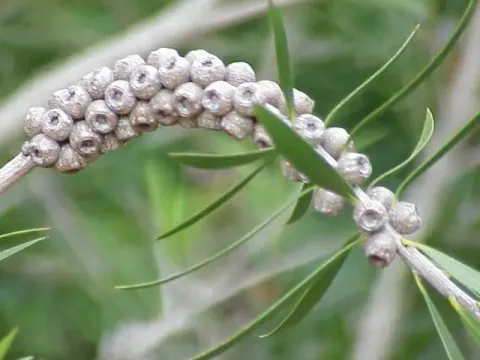
Barongia
Barongia
Barongia (lat. Barongia) is a monotypic genus belonging to the Myrtaceae family. Native to the tropical rainforests of Queensland, Australia, it is a highly specialized plant that requires specific environmental conditions to thrive.
What the section contains

Barongia
Propagation is typically achieved through seeds or stem cuttings within controlled nursery environments. The process demands patience and precise environmental regulation to mimic the natural habitat of the species.
The sowing process requires a well-aerated organic substrate that retains moisture without becoming waterlogged. Maintaining a consistent temperature range between 22°C and 28°C is essential for successful germination.
Seedlings are extremely fragile and require protection from direct, intense light. Establishing a cover or using shade cloth is a standard practice in the early stages of plant development.
As the plant matures, hardening off is necessary before transition to a permanent location, ensuring the plant adapts to the ambient humidity and light levels of its growth area.
Barongia requires acidic to neutral soils that are rich in humus and possess excellent drainage. Any degree of soil compaction or waterlogging is highly detrimental to the root health of this crop.
As a strictly tropical plant, it lacks tolerance for frost and sudden temperature drops. Optimal growth occurs in humid conditions, ideally with relative humidity levels consistently above 70%.
The light requirements for Barongia involve diffuse sunlight. Excessive direct solar radiation can damage the leaves, suggesting that shaded or semi-shaded environments are the most appropriate for its cultivation.
Regular but moderate watering is necessary to keep the root ball moist. In arid conditions, supplemental irrigation or humidity control systems are mandatory for maintaining plant health.
Nutrition management should focus on slow-release organic fertilizers. The plant shows sensitivity to high concentrations of mineral salts, which can lead to leaf tip burn and physiological stress.
Fungal diseases are the primary threat, especially in stagnant air or high-humidity environments. Leaf spots and root rots are common indicators of inadequate maintenance or pathogen buildup.
Pests such as spider mites, aphids, and scale insects frequently target the foliage of Myrtaceae species. These pests thrive in indoor or greenhouse settings if ventilation is suboptimal.
Maintaining proper spacing between plants is a critical measure to prevent the rapid spread of infections. Airflow must be encouraged to reduce the humidity on leaf surfaces.
Integrated Pest Management (IPM) is recommended to minimize chemical exposure. The use of biological controls or light horticultural oils is generally effective against common insect threats without harming the plant.
Monitoring the soil moisture balance is essential to prevent root-based infections. If signs of pathogen attack appear, affected areas should be removed immediately to protect the rest of the crop.