
Callistemon acuminatus
Callistemon acuminatus
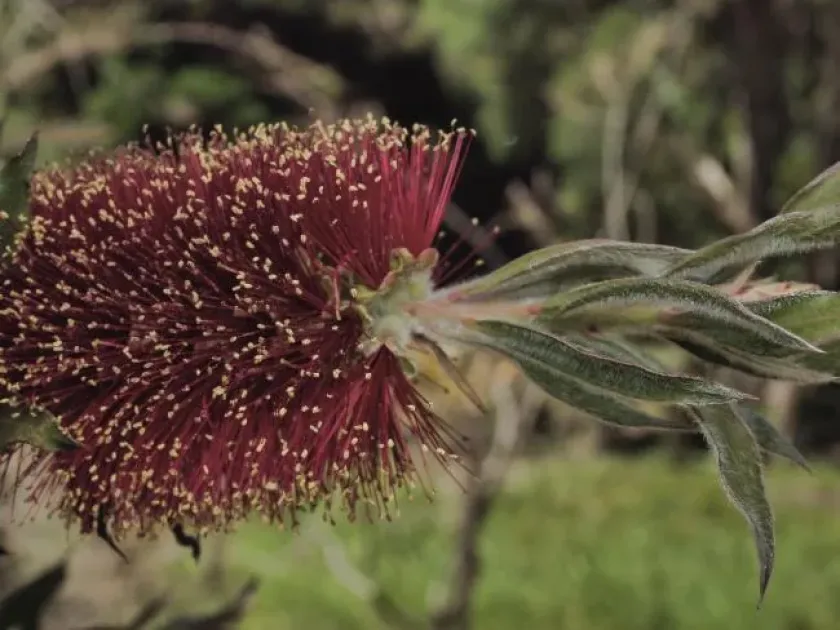
Description
Sowing dates
Propagation of Callistemon acuminatus is primarily achieved through seeds or stem cuttings under controlled conditions. Seeds should be sown in a light, well-draining substrate in late winter or early spring, maintaining a stable temperature around 20–22 degrees Celsius.
When using the seed method, it is crucial to remember that the seeds are very fine; therefore, they should not be buried but rather lightly dusted with sand. Germination may take three to four weeks, requiring consistent moisture without waterlogging the soil.
Cuttings are considered the preferred method to maintain the specific cultivar traits. Semi-hardwood cuttings are taken in the summer and placed in a peat-sand mixture under plastic to ensure high humidity levels.
For successful root development, it is recommended to use rooting hormones, as this significantly accelerates the establishment of the root system in members of the Myrtaceae family.
Once seedlings are established or cuttings have rooted, young plants should be gradually hardened off, acclimating them to outdoor conditions or drier greenhouse air before final transplantation.
Growing requirements
Callistemon acuminatus belongs to the Myrtaceae family and is a heat-loving crop that requires abundant sunlight for optimal flowering. In temperate climates, it is most commonly grown as a container plant, requiring winter protection indoors.
The plant prefers slightly acidic or neutral, well-draining soils. Native to Australia, it is adapted to soils that are generally low in organic matter but rich in specific mineral components.
Regular watering is essential during the active growth phase, yet stagnant water in the root zone is fatal to the plant. During the winter months, watering must be significantly reduced, keeping the soil moisture at a minimum.
The plant is frost-sensitive and requires protection when temperatures drop below freezing. In warmer regions, it can be grown in open ground as an evergreen shrub known for its unique, brush-like inflorescences.
To ensure vigorous growth and profuse flowering during the spring and summer, fertilizers with a low phosphorus content should be applied, as this species is sensitive to phosphorus toxicity.
Main diseases and pests
The main pests affecting Callistemon are spider mites and scale insects, which typically attack the plant in dry indoor conditions. Regular misting and the application of appropriate insecticides are recommended to manage these issues.
Mealybugs may also occur, leaving a characteristic white, cottony residue in leaf axils. If pests are detected, the plant must be isolated immediately, and systemic pesticides should be applied to control the infestation.
Fungal diseases, such as root rot, occur exclusively due to poor drainage or improper watering regimes. This leads to leaf yellowing and eventual root system decay, making adherence to strict agronomic standards vital.
Leaf chlorosis is frequently observed when using hard water for irrigation or due to iron deficiency. This can be addressed by acidifying the irrigation water or applying chelated iron supplements to the soil.
Effective prevention of pests and diseases relies on regular plant inspection, maintaining foliage cleanliness, and ensuring adequate air circulation around the canopy during the growing season.