
Cattley Guava
Psidium cattleyanum
Description
Growing requirements
Cattley Guava, scientifically known as Psidium cattleyanum, is a small evergreen tree or shrub belonging to the Myrtaceae family. Originally from Brazil, this plant is well-known for its adaptability and ability to thrive in various tropical and subtropical environments.
The plant performs best in full sunlight but is capable of growing in partial shade. It is significantly more cold-hardy than the common guava (Psidium guajava), tolerating temperatures slightly below freezing, which makes it a popular choice for protected gardens in cooler climates.
Requirements for the soil involve well-draining, slightly acidic to neutral substrates. Heavy clay soils that retain excess water are detrimental to the root health, thus planting in raised beds or containers with high-quality potting mix is often recommended.
Proper agronomic practices include regular irrigation during the growing season and balanced NPK fertilization. While the plant is drought-tolerant once established, providing consistent moisture during the fruit-set phase is essential for optimal harvest yields.
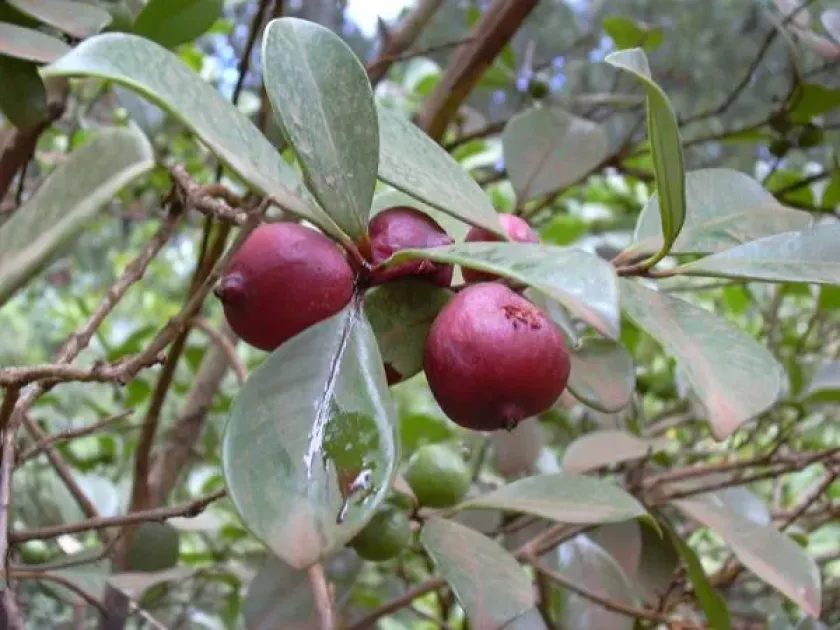
The botany of the species is characterized by glossy, leathery dark green leaves and a distinct, exfoliating bark that peels off in thin flakes. The fragrant white flowers are highly attractive to bees, making it a pollinator-friendly addition to any exotic garden.
Yield
The fruits of the Cattley Guava are small, round, and typically have a smooth skin that turns deep red or yellow upon ripening. The flesh is translucent, aromatic, and offers a sweet-tart flavor often compared to strawberries, which gives it the common name strawberry guava.
In terms of production, mature specimens can yield substantial quantities of fruit per year, often ranging from 15 to 20 kilograms per tree. The plant is precocious, often producing its first harvest within 3 to 4 years of propagation.
Cattley Guava is widely used in culinary arts, primarily for making jellies, jams, and preserves due to the high pectin content in the skin and flesh. It is also enjoyed fresh, providing a rich source of Vitamin C and antioxidants.
Beyond its culinary appeal, the plant is highly ornamental, often used in landscaping for its dense, dark foliage and compact growth habit. It is frequently pruned into hedges or maintained as a decorative container plant for patios.
Harvesting should be handled carefully, as the ripe fruit is delicate and bruises easily. Fruits are typically hand-picked when they develop a uniform color, ensuring they are at the peak of their sugar content for the best flavor experience.
Main diseases and pests
Major pests affecting this crop include scale insects, mealybugs, and whiteflies, which tend to congregate on the undersides of leaves. Regular monitoring and the application of horticultural oils or soaps are usually effective in managing these infestations.
Regarding diseases, the most problematic are various forms of leaf spot and root rot caused by poor soil drainage or high humidity. Maintaining proper canopy spacing and ensuring sufficient airflow are the primary methods for preventing these common issues.