
Callistemon hybrids
Callistemon hybrids
Description
Growing requirements
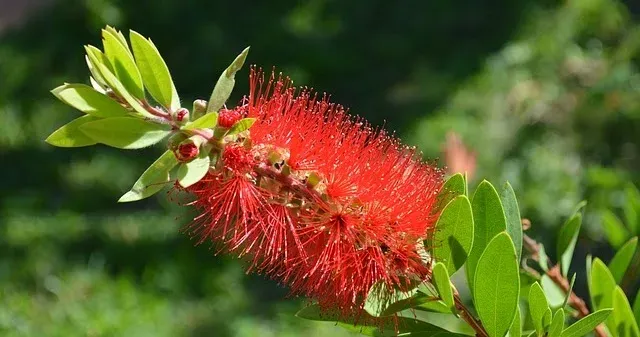
Callistemon hybrids, belonging to the Myrtaceae family, are widely recognized for their striking, brush-like flower spikes that provide significant ornamental value.
Originating from Australia, these shrubs are adapted to warm climates and require cultivation in containers or greenhouses in regions where frost presents a risk to plant health.
The culture demands full sun exposure to flourish; insufficient light levels can lead to weak, elongated stems and a complete lack of inflorescence development.
Optimal soil conditions include a well-draining, slightly acidic medium that allows for adequate oxygenation of the root zone while retaining necessary moisture.
Cultural practices involve consistent irrigation with lime-free water during the growing season and the application of balanced fertilizers to support vigorous blooming.
Main diseases and pests
The most common pests affecting this culture in indoor or greenhouse settings are spider mites and mealybugs, which thrive in low-humidity environments.
Overwatering or poorly drained soil can quickly lead to root rot caused by various soil-borne pathogens, jeopardizing the plant's structural integrity.
Effective management includes regular monitoring of foliage, maintaining proper humidity levels, and ensuring that the plants are not overcrowded in the greenhouse.
Chemical control involving systemic insecticides or acaricides may be required if manual pest management proves insufficient during a severe infestation.
Strict sanitation protocols, such as using sterilized potting soil and disinfecting containers, are essential to preventing long-term fungal and pest issues.