
Biconvex paperbark
Melaleuca biconvexa
Description
Growing requirements
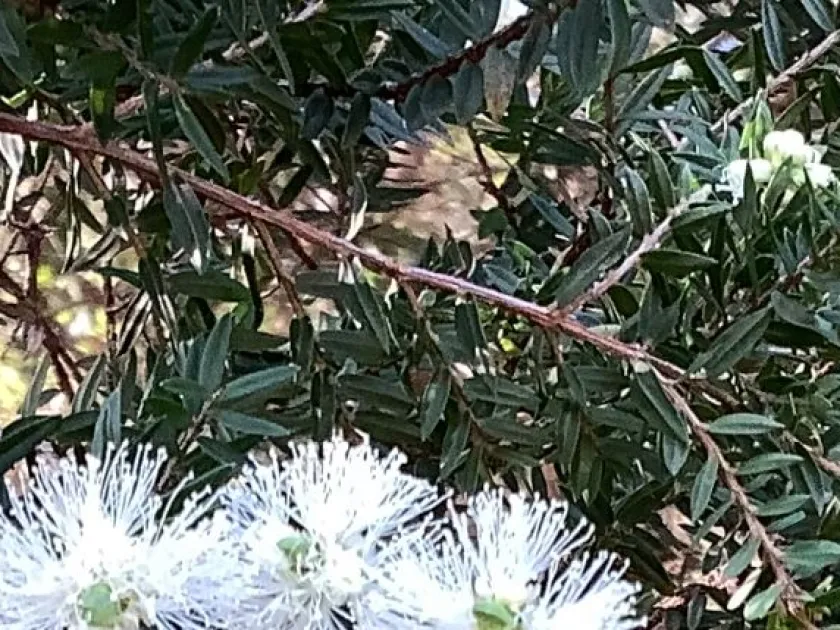
Melaleuca biconvexa, commonly known as biconvex paperbark, is a member of the Myrtaceae family. This species is recognized for its unique papery bark and small, stiff leaves that are rich in essential oils.
The native range of this species is confined to the coastal areas of New South Wales, Australia. It is specifically adapted to wet heathlands, seasonally flooded swamps, and sandy soils that provide consistent subterranean moisture.
Cultivation of this species requires strict adherence to its ecological needs. It thrives in warm, humid environments and lacks tolerance for frost, which necessitates cultivation in greenhouses or mild climates outside of its natural range.
The soil structure should mimic its natural habitat: acidic, well-draining yet moisture-retentive media are ideal. Growers must ensure the plant never experiences total root desiccation, as it lacks drought resistance mechanisms.
Economically and ecologically, this plant is primarily valued for its role in biodiversity and potential pharmacological properties. While not a major commercial crop, it serves as a subject of intense conservation efforts to prevent its extinction in the wild.
Main diseases and pests
Pathogenic fungi represent the most significant threat to Melaleuca biconvexa. Root rot is a common issue when plants are grown in heavy or poorly drained soils where aeration is insufficient.
Pests such as scale insects and mealybugs frequently colonize the stems and leaf axils. These pests drain plant sap and create conditions for secondary infections, requiring diligent monitoring and prompt control measures.
Spider mites are a persistent challenge in indoor cultivation settings where relative humidity levels may fluctuate. Their feeding causes chlorosis and eventual leaf drop if left unchecked for extended periods.
Habitat loss due to land development and altered drainage patterns remains the primary threat to natural populations. Protecting the integrity of its hydrological landscape is vital for the survival of the species.
Preventative management is key to maintaining health. This involves maintaining optimal humidity, ensuring adequate light exposure, and utilizing appropriate biological controls to manage insect populations without harming the plant.