
Cambuca
Eugenia cambucae
Description
Growing requirements
Cambuca (Eugenia cambucae) is a rare fruit-bearing tree belonging to the Myrtaceae family, native to the tropical forests of Brazil. Known for its slow growth and attractive canopy, the tree is highly regarded for its unique and flavorful fruit, often found in its natural habitat in the Atlantic Forest region.
The tree thrives in warm, humid tropical and subtropical environments. It requires significant warmth throughout the year and is highly sensitive to frost, which can be lethal to young specimens. Proper site selection involves providing full sun exposure while ensuring protection from strong, desiccating winds.
Soil quality is a critical factor for success; the tree prefers nutrient-rich, well-draining soils with a slightly acidic pH. Avoid waterlogged conditions at all costs, as the roots are prone to rot if the drainage is insufficient, which is a common challenge in container-grown or heavy clay soil environments.
Agrotechnical practices include regular irrigation during dry spells to maintain consistent soil moisture, which is vital during the fruit-set phase. Applying organic mulch around the base helps retain soil moisture and stabilizes the temperature of the root zone, mimicking the leaf litter of its natural ecosystem.
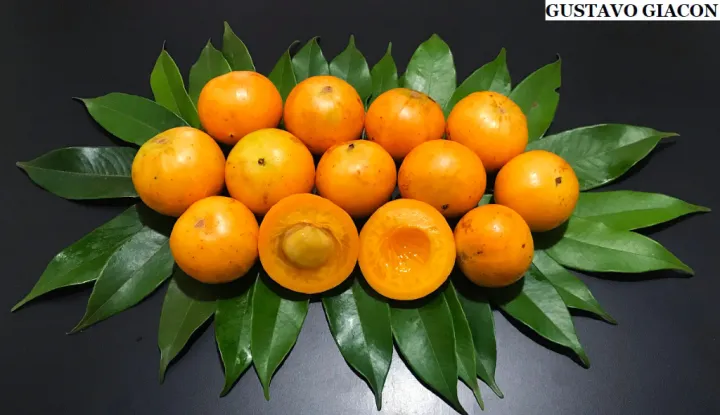
The fruit of the cambuca is appreciated for its soft, juicy, and aromatic flesh, which offers a pleasant balance of sweetness and acidity. Beyond fresh consumption, it is processed into jellies, jams, and traditional local beverages, making it a valuable specialty crop for localized agroforestry systems.
Main diseases and pests
Cambuca trees are susceptible to various fungal pathogens, particularly in areas with high humidity and poor air circulation. Powdery mildew and leaf spot diseases are among the most prevalent issues that can affect the foliage and reduce the overall vigor of the plant.
Insect pests, including mealybugs, scale insects, and spider mites, often infest the branches and undersides of leaves. These pests weaken the tree by extracting sap, which can stunt new growth and make the plant more vulnerable to secondary infections.
Effective management includes regular monitoring and the implementation of cultural controls, such as pruning to open up the canopy and improve airflow, which significantly reduces the risk of fungal outbreaks.
If chemical interventions are necessary, the use of horticultural oils or organic soap sprays is recommended to manage pest populations while minimizing environmental impact and protecting beneficial insect communities.
Integrated pest management strategies focusing on early detection are essential to prevent widespread damage, ensuring the tree remains productive and healthy throughout its growth cycle.