
Blepharocalyx salicifolius
Blepharocalyx salicifolius
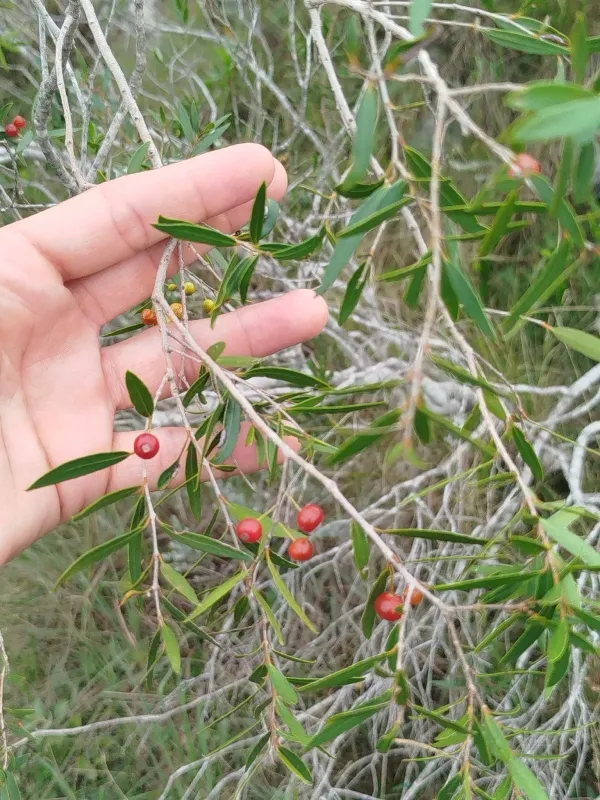
Description
Growing requirements
Blepharocalyx salicifolius is a notable evergreen tree species within the Myrtaceae family, native to the subtropical regions of South America. It is widely recognized for its willow-like foliage and aromatic properties.
The plant thrives in moist, well-draining soils and is often found in riverine environments. It requires significant water availability and prefers climates without harsh frost to maintain healthy growth cycles.
Regarding soil requirements, the species performs best in nutrient-rich loamy soils. It demonstrates remarkable tolerance to varying moisture levels, although it is strictly sensitive to prolonged drought conditions.
For successful cultivation, sunlight exposure is paramount. The tree benefits from direct sunlight, which enhances the production of secondary metabolites and essential oils stored in its leaves.
As an agricultural crop, it demands careful placement in sheltered locations. Protecting the plants from extreme wind gusts is essential to preserve the integrity of the foliage and prevent branch snapping.
Harvesting
Harvesting of the foliage is conducted when the essential oil concentration peaks, typically during the peak growing season. Manual harvesting methods are preferred to ensure the selection of mature, high-quality leaves.
Post-harvest management involves drying the leaves in a controlled, shaded environment. Proper ventilation is critical to ensure that moisture is removed without compromising the quality of the volatile oils.
The timber of Blepharocalyx salicifolius is highly regarded in local industries for its durability and resistance to decay. It serves as an excellent material for tool handles and small furniture construction.
Strategic pruning is an essential agricultural practice for this species. By managing the canopy structure, growers can maximize the yield of green biomass while maintaining the tree's overall vigor.
Sustainable management of the stands involves rotating harvest cycles to allow for adequate recovery time. This approach ensures the long-term viability of the plantation while supporting biodiversity in the area.