
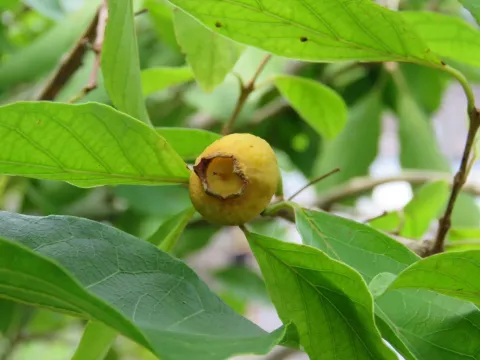
Campomanesia
Campomanesia
Propagation of Campomanesia is primarily achieved through seeds, which must be fresh to ensure high germination rates. Seeds should be extracted from ripe fruits and sown immediately in a light, well-draining substrate rich in organic matter.
What the section contains
 Cambuca
Campomanesia phaea
Cambuca
Campomanesia phaea
 Campomanesia aromatica
Campomanesia aromatica
Campomanesia aromatica
 Campomanesia aurea
Campomanesia espiritosantensis
Campomanesia espiritosantensis
Campomanesia aurea
Campomanesia aurea
Campomanesia espiritosantensis
Campomanesia espiritosantensis
 Campomanesia guaviroba
Campomanesia guaviroba
Campomanesia guaviroba
 Campomanesia guazumifolia
Campomanesia guazumifolia
Campomanesia guazumifolia
 Campomanesia lineatifolia
Campomanesia lineatifolia
Campomanesia lineatifolia
 Campomanesia neriiflora
Campomanesia prosthecesepala
Campomanesia prosthecesepala
Campomanesia neriiflora
Campomanesia neriiflora
Campomanesia prosthecesepala
Campomanesia prosthecesepala
 Campomanesia pubescens
Campomanesia pubescens
Campomanesia pubescens
 Campomanesia reitziana
Campomanesia rhombea
Campomanesia rhombea
Campomanesia reitziana
Campomanesia reitziana
Campomanesia rhombea
Campomanesia rhombea
 Campomanesia sessiliflora
Campomanesia sessiliflora
Campomanesia sessiliflora
 Campomanesia xanthocarpa
Campomanesia xanthocarpa
Campomanesia xanthocarpa
 Gabiroba
Campomanesia adamantium
Gabiroba
Campomanesia adamantium
Campomanesia
The ideal sowing time is during the spring when temperatures consistently range between 22 and 25 degrees Celsius. Providing bottom heat can significantly accelerate the germination process for these tropical seeds.
Seedlings typically emerge within 3 to 6 weeks, depending on environmental conditions and seed viability. Once the second pair of true leaves appears, seedlings should be carefully transplanted to larger containers.
Vegetative propagation via cuttings is also possible, allowing growers to maintain the specific traits of high-quality mother plants. This method requires a controlled greenhouse environment with high humidity and rooting hormones.
Transplanting into the permanent field location should only occur once all risks of frost have passed, as young plants are highly susceptible to cold stress during their initial growth phase.
Campomanesia belongs to the Myrtaceae family and is native to tropical and subtropical regions of South America, particularly Brazil. These evergreen shrubs or small trees thrive in warm, humid climates.
The plants require fertile, well-drained soil with a slightly acidic to neutral pH. Proper soil structure is essential to prevent waterlogging, which the root systems of these species cannot tolerate for long periods.
Full sun is preferred for optimal growth and fruit development, although young plants benefit from partial shade during the hottest parts of the day to prevent leaf scorch and dehydration.
Regular fertilization with balanced NPK formulas, supplemented with micronutrients, is necessary to support vigorous growth. Nutrient deficiencies often manifest as leaf discoloration, which should be monitored closely.
Adequate spacing between plants is crucial to ensure good air circulation, which helps reduce the prevalence of fungal diseases in the humid environments where these trees naturally grow.
The primary agricultural interest in Campomanesia lies in its fruits, commonly known as gabiroba. These fruits are highly valued for their sweet, aromatic flavor and dense nutritional profile, including vitamins and antioxidants.
Fruits are commonly consumed fresh but are also highly suitable for processing into juices, ice creams, jams, and traditional alcoholic beverages due to their natural pectin content and distinct aroma.
Yield capacity improves with the age of the tree and consistent agricultural management. Trees typically begin to produce a harvestable yield within three to five years after being planted in their final location.
High yields depend on successful pollination by insects, meaning that maintaining a healthy local ecosystem around the orchard is beneficial for overall production and fruit quality.
Beyond fruit production, the aesthetic value of the foliage and flowers makes Campomanesia an attractive option for integrated agroforestry and ornamental fruit gardening in suitable climates.
The most significant threats to Campomanesia are fungal diseases, which often proliferate in poor air circulation or excessively moist conditions. Regular pruning helps maintain a healthy canopy structure.
Common pests include scale insects and spider mites, which can sap energy from the plant if left uncontrolled. Early detection through regular visual inspections is the most effective management strategy.
Root rot, caused by poor soil drainage and waterlogging, is a critical issue. Growers must prioritize site selection and soil amendment to ensure proper aeration and drainage to avoid losing entire trees.
Nutritional imbalances or deficiencies in trace minerals can weaken the plant's natural defenses, making it more prone to infestation. Regular soil and leaf tissue testing can help guide precise fertilization.
In cases of severe pest or disease outbreaks, integrated pest management practices should be followed, ensuring that any chemical applications are safe for use on edible fruit-bearing trees.
Harvesting Campomanesia fruits must be done with great care, as the mature fruit is soft, delicate, and prone to bruising. Collection is best performed in the cool early hours of the morning.
Ripeness is indicated by color changes and a subtle softening of the fruit. Because they do not ripen properly after harvest, fruits must be gathered only when they have reached peak maturity on the branch.
Post-harvest handling is critical due to the perishable nature of the fruits. They should be stored in shallow crates to avoid crushing and kept in a cool, ventilated place to preserve freshness for as long as possible.
Short shelf life requires rapid processing or marketing. Many growers choose to freeze the fruit pulp immediately after harvest to preserve the flavor and vitamins for off-season use or manufacturing.
Selective harvesting is recommended, as fruits do not mature simultaneously. Daily or bi-daily checks of the orchard ensure that each fruit is collected at its optimal stage, maximizing the total high-quality yield.