
Calytrix tetragona
Calytrix tetragona
Description
Growing requirements
Calytrix tetragona, commonly known as the common fringed myrtle, is a flowering shrub belonging to the Myrtaceae family. It is native to Australia, predominantly found in temperate and semi-arid regions where it thrives in well-drained, sandy or rocky soils.
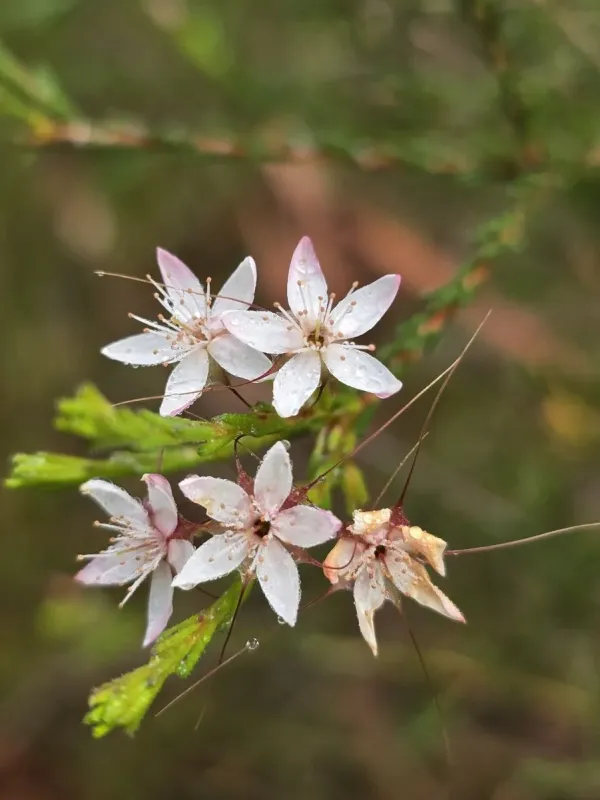
The plant is highly valued for its striking, star-shaped flowers that bloom in abundance during spring. It is a slow-to-moderate growing evergreen that requires full sun to achieve its best structural form and floral display.
Proper cultivation necessitates excellent drainage; the plant is extremely intolerant of heavy, waterlogged clay soils. Gardeners often plant it on slopes or raised beds to ensure that water moves away from the root system quickly.
In terms of temperature, it is best suited to mild climates. While it can handle light frost, prolonged exposure to freezing temperatures may cause significant damage to its delicate branch structure, necessitating sheltered positions in cooler regions.
Care should be taken when selecting fertilizers, as native Australian plants like Calytrix are sensitive to high phosphorus levels. It is advisable to use fertilizers formulated specifically for native species to avoid plant stress or nutrient toxicity.
Main diseases and pests
The most significant threat to Calytrix tetragona is root rot, typically caused by Phytophthora species, which flourish in poorly drained soils where moisture accumulates around the root base.
Pest issues are relatively limited but can include sap-sucking insects such as aphids or mealybugs during periods of environmental stress or if the plant is kept in poor ventilation conditions.
To mitigate the risk of disease, it is essential to maintain high airflow around the canopy and avoid overhead irrigation, which can create a humid environment conducive to fungal growth.
Cultural practices such as light pruning after the flowering season can help rejuvenate the shrub and improve air circulation, effectively reducing the likelihood of pest and disease outbreaks.
If chemical interventions are necessary, they should be applied precisely and only when the plant is not in its primary blooming phase to avoid harming pollinators that are naturally attracted to its flowers.