
Callistemon coccineus
Callistemon coccineus
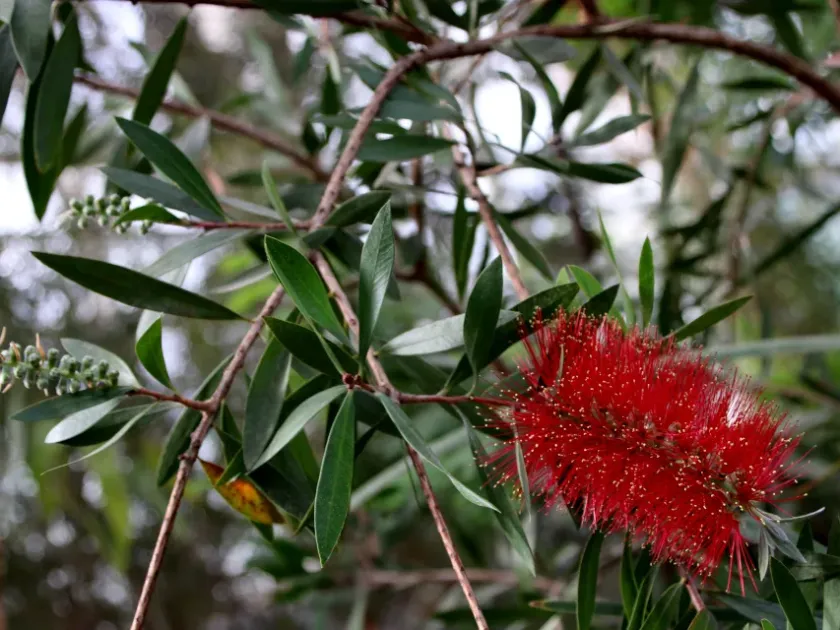
Description
Growing requirements
Callistemon coccineus, known commonly as the scarlet bottlebrush, is a perennial shrub native to the Australian landscape, belonging to the Myrtaceae family. Its biological cycle is adapted to sunny environments with moderate precipitation levels.
For successful cultivation, full sun exposure is a non-negotiable requirement. The plant requires intense solar radiation to initiate the production of its signature vivid red inflorescences. Shaded areas result in poor development and weak vegetative growth.
Temperature management is critical for the long-term health of the crop. While it thrives in warm climates, it lacks significant frost tolerance. In commercial nurseries or landscaping, it is typically managed as a container plant in temperate zones to ensure protection during winter months.
Soil requirements focus on high permeability and drainage. The ideal growing medium is sandy or loamy with a slightly acidic profile. Poorly drained soils promote root asphyxiation, which is the most common cause of failure in the propagation of this species.
Standard agronomic care involves balanced irrigation schedules. While the plant can tolerate short periods of drought once established, consistent moisture levels during the peak growing season significantly enhance flower quality and overall biomass production.
Main diseases and pests
The primary biotic threats include scale insects and spider mites, which exploit the plant during periods of low humidity. Integrated pest management strategies, including the use of horticultural oils and targeted insecticides, are recommended for control.
Pathological risks are mostly associated with fungal pathogens like Phytophthora, often triggered by over-irrigation or stagnant water in the root zone. Ensuring optimal soil hygiene and preventing waterlogging are essential preventative measures against these diseases.