
Callistemon pityoides
Callistemon pityoides
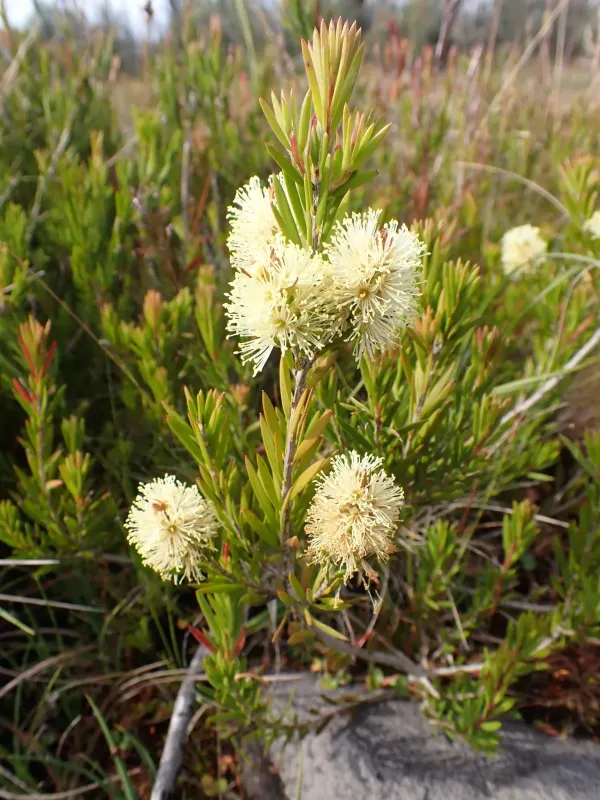
Description
Sowing dates
Propagation of Callistemon pityoides is commonly performed via seeds or semi-hardwood cuttings. Seeds should be sown on the surface of a light, well-draining potting mix during early spring, as they require light to germinate effectively.
Maintaining a constant temperature between 20 and 22 degrees Celsius is essential for successful germination. Using a seed tray covered with clear plastic can help create a humid microclimate for the developing seedlings.
Cuttings are preferred for maintaining genetic consistency. Semi-hardwood cuttings, approximately 10-15 cm in length, should be taken in mid-summer and treated with rooting hormone before placement in a peat-sand mix.
Once seedlings or cuttings have established a strong root system, they should be transplanted into individual pots. Gradual acclimatization to outdoor conditions is necessary before final planting.
Proper airflow during the propagation stage is vital to prevent damping-off disease. Always ensure the germination medium is kept moist but not waterlogged throughout the process.
Growing requirements
Callistemon pityoides, commonly known as Alpine Bottlebrush, is a member of the Myrtaceae family native to the mountainous regions of Australia. It is a resilient evergreen shrub characterized by its needle-like foliage and unique yellow or creamy bottlebrush-shaped flowers.
This species thrives in full sun, which is necessary for dense growth and prolific flowering. It is more cold-hardy than many other Callistemon species, making it suitable for cooler climates while still requiring protection from harsh, drying winds.
The ideal soil is acidic to neutral, sandy or loamy, and possesses excellent drainage qualities. While it prefers moist soil, it can tolerate brief periods of dryness once established due to its alpine adaptations.
Regular watering is recommended during the first year of growth. Once the shrub matures, it exhibits moderate drought tolerance, although it will perform best with supplemental irrigation during extended summer heatwaves.
Fertilization should be handled with care, utilizing low-phosphorus fertilizers. Excessive phosphorus can be toxic to many members of the Myrtaceae family, so choosing a native-specific or balanced slow-release fertilizer is crucial.
Main diseases and pests
Callistemon pityoides is generally robust but can be susceptible to spider mites and scale insects. These pests often appear in warm, dry environments and can be managed by consistent monitoring and the application of horticultural oil or insecticidal soap.
Root rot, caused by Phytophthora or other water-borne fungi, represents a significant threat if the soil remains waterlogged. Proper site selection and soil amendment are the best preventative measures against these pathogens.
Leaf spot diseases may occur during humid, stagnant periods. Improving air circulation around the shrub and removing infected foliage immediately can help limit the spread of fungal spores.
Chlorosis is a common issue when the plant is grown in alkaline soils or watered with high-calcium water. This results in yellowing leaves and reduced vigor, which can be mitigated by adjusting soil pH or using acidified irrigation water.
Regular pruning after the main flowering season is essential not only for aesthetics but also to maintain plant health by removing dead wood, which could otherwise harbor pests or diseases.