
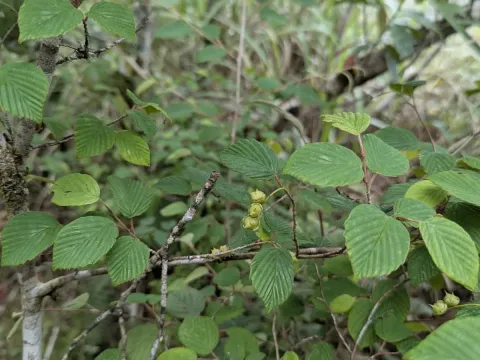
Corylopsis
Corylopsis
Corylopsis is a genus of deciduous shrubs belonging to the Hamamelidaceae family. Native to East Asia, these plants are widely distributed across Japan, China, and the Himalayas, typically thriving in forest understories and shaded mountain slopes.
What the section contains
 Chinese winter hazel
Corylopsis sinensis
Chinese winter hazel
Corylopsis sinensis
 Corylopsis gotoana
Corylopsis gotoana
Corylopsis gotoana
 Corylopsis griffithii
Corylopsis griffithii
Corylopsis griffithii
 Corylopsis pauciflora
Corylopsis pauciflora
Corylopsis pauciflora
 Corylopsis platypetala
Corylopsis platypetala
Corylopsis platypetala
 Corylopsis wilsonii
Corylopsis wilsonii
Corylopsis wilsonii
 Corylopsis yunnanensis
Corylopsis yunnanensis
Corylopsis yunnanensis
 Fragrant Winter Hazel
Corylopsis glabrescens
Fragrant Winter Hazel
Corylopsis glabrescens
 Himalayan witch hazel
Corylopsis himalayana
Himalayan witch hazel
Corylopsis himalayana
 Hybrid Corylopsis
Corylopsis hybrids
Hybrid Corylopsis
Corylopsis hybrids
 Spike winter hazel
Corylopsis spicata
Spike winter hazel
Corylopsis spicata
 Veitch's witch hazel
Corylopsis veitchiana
Willmott's witch hazel
Corylopsis willmottiae
Veitch's witch hazel
Corylopsis veitchiana
Willmott's witch hazel
Corylopsis willmottiae
Corylopsis
Botanically, Corylopsis is recognized for its unique flowering pattern. The plant blooms in early spring, producing drooping, fragrant racemes of yellow flowers that emerge before the foliage appears, providing a dramatic visual contrast against the landscape.
The cultural requirements are specific, as this shrub prefers a temperate climate and protection from harsh, drying winds. It performs best when placed in partial shade, as the delicate leaves are prone to scorching under intense, direct midday sunlight.
Soil conditions are critical for successful cultivation. The plants require deep, well-draining, and humus-rich soil with an acidic to neutral pH. They are highly sensitive to waterlogging and alkalinity, which can inhibit nutrient uptake and cause significant chlorosis.
Management practices should focus on maintaining consistent soil moisture through regular irrigation and organic mulching. Mulch helps regulate root temperature and prevents soil compaction, ensuring that the root system remains healthy throughout the growing season.
While relatively robust, Corylopsis can be susceptible to various fungal pathogens under poor growing conditions. Overcrowding and inadequate airflow are the primary triggers for diseases such as powdery mildew and leaf spot.
Effective management includes maintaining proper spacing between plants and performing sanitation pruning to remove damaged or diseased wood. Fungicidal treatments should be applied during periods of high humidity when fungal activity is at its peak.
Pests like aphids and spider mites can colonize the shrub during hot, dry summer months. These pests cause damage by feeding on the sap, which eventually leads to leaf yellowing, distorted growth, and reduced overall plant vigor.
Integrated pest management strategies should be employed, using targeted acaricides or systemic insecticides when necessary. Monitoring the underside of leaves for early signs of infestation is essential for timely intervention and preventing population outbreaks.
A proactive approach to health, combined with balanced nutrition and proper site selection, significantly increases the plant's resilience. Ensuring that the shrub is not stressed by environmental factors is the most effective way to prevent pest and disease complications.