
Fragrant Winter Hazel
Corylopsis glabrescens
Description
Growing requirements
Fragrant Winter Hazel, scientifically known as Corylopsis glabrescens, is an ornamental shrub belonging to the Hamamelidaceae family. Native to Japan, this deciduous plant is highly valued for its elegant habit and early, fragrant spring bloom.
The culture thrives best in temperate climates, requiring a sheltered location protected from harsh winds and intense afternoon heat. It prefers partial shade, which mimics its natural forest-understory habitat and prevents leaf scorch during the summer months.
Ideal soil conditions involve deep, fertile, and well-draining loams with a slightly acidic to neutral reaction. The species is intolerant to lime-rich or chalky soils, which can induce chlorosis and limit the plant's ability to absorb essential nutrients.
Agricultural maintenance involves consistent watering during dry spells, especially for young specimens, to keep the root ball moist. Applying organic mulch is essential to regulate soil temperature and retain moisture throughout the vegetative period.
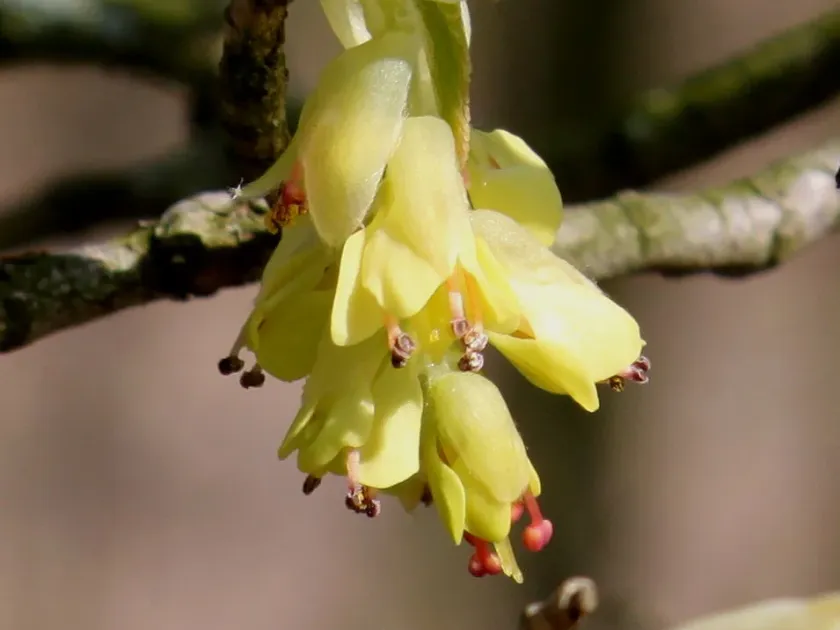
In landscape design, Corylopsis glabrescens is utilized for its exceptional aesthetic appeal, often serving as a focal point in spring gardens due to its pendulous yellow racemes. It is an excellent choice for woodland plantings or shrub borders.
Main diseases and pests
The main threats to the plant include fungal pathogens, such as powdery mildew or leaf spot, which typically appear under conditions of poor air circulation. Proper spacing during planting and pruning are crucial for effective disease management.
Pests are generally not a significant issue for established plants, although aphids or spider mites may occasionally infest young leaves during dry seasons. Regular monitoring and the application of appropriate treatments are sufficient to keep the shrub healthy.