
Corylopsis wilsonii
Corylopsis wilsonii
Description
Growing requirements
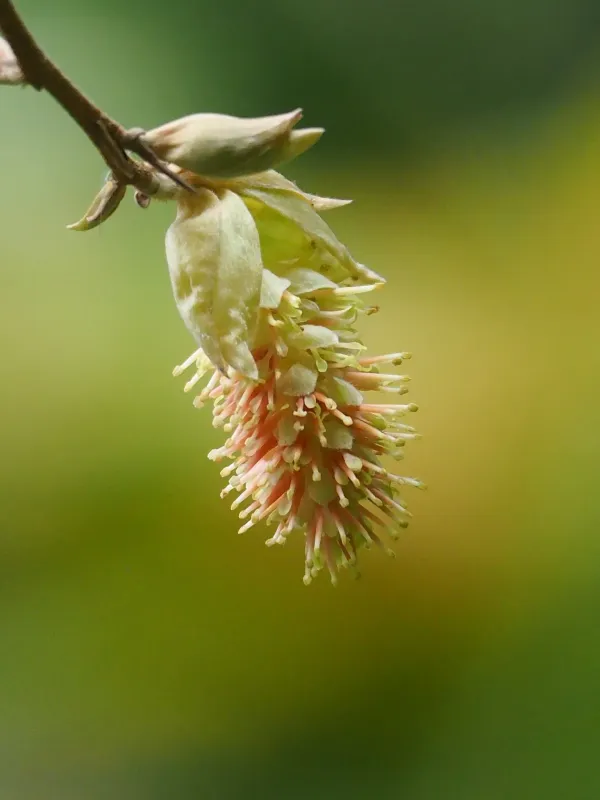
Corylopsis wilsonii is a deciduous shrub belonging to the Hamamelidaceae family. Native to the mountainous regions of central China, it is highly valued for its striking, drooping racemes of fragrant, pale yellow flowers.
This shrub thrives in locations with partial shade and protection from harsh afternoon sunlight. Consistent exposure to direct, intense sun can scorch the foliage, while strong winds can damage the delicate branches and buds during the early spring.
Soil quality is paramount for this species. It requires acidic to neutral, humus-rich, and well-draining soil. It does not tolerate heavy clay or waterlogged conditions, which can lead to rapid root decline and overall plant stress.
Adequate moisture management is a key agrotechnical requirement. The soil should remain consistently moist but not saturated. Incorporating organic matter during planting helps retain moisture and provides essential nutrients for growth.
Regular pruning should be performed immediately after flowering to maintain shape and encourage dense growth. It is important to remove any dead or crossing branches to promote healthy air circulation through the canopy.
Main diseases and pests
Corylopsis wilsonii is generally robust, but it can be susceptible to environmental stresses. Iron chlorosis is a common issue if the soil pH is too high or if the substrate contains excessive amounts of lime.
Pests such as aphids or spider mites may occasionally infest the plant during prolonged dry spells. Routine inspection of the undersides of leaves and timely intervention with insecticidal soaps can manage these populations.
Fungal diseases, including leaf spot, may occur in poorly ventilated environments. Ensuring that the shrub is not planted too close to other plants and pruning for density are effective preventive measures against fungal infections.
Root rot caused by Phytophthora species is a major threat if soil drainage is compromised. Once established, this condition is often fatal, emphasizing the need for proper site selection and drainage preparation prior to planting.
Finally, late spring frosts can be hazardous to the developing flowers. In areas prone to sudden temperature drops, covering the plant with horticultural fleece can protect the bloom for the season.