
Chinese winter hazel
Corylopsis sinensis
Description
Growing requirements
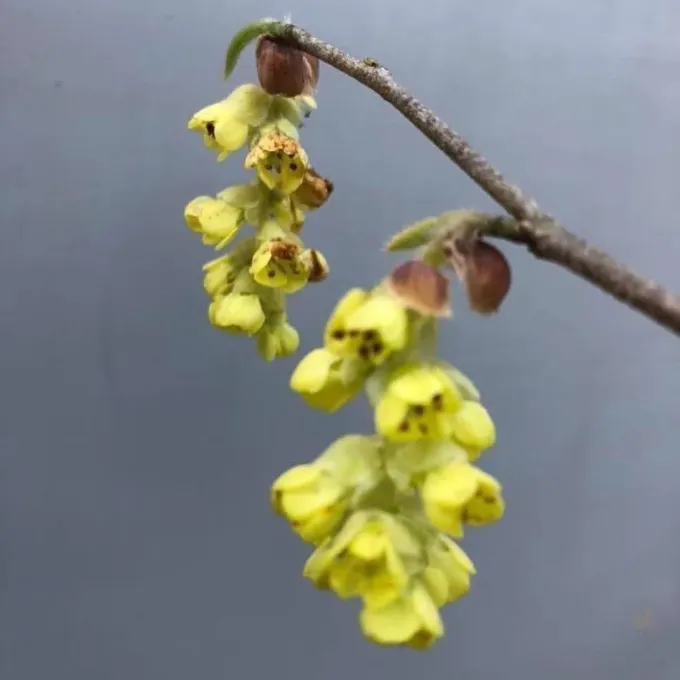
Chinese winter hazel (Corylopsis sinensis) is a sophisticated deciduous shrub belonging to the Hamamelidaceae family. It originates from the mountain forests of China and is highly valued in horticulture for its early, fragrant, and pendulous yellow flowers.
The plant features distinct leaves with a structure resembling those of a hazelnut, which gives it its common name. The blooms emerge in early spring before the foliage, creating a striking visual contrast against the bare branches in a cool garden setting.
This shrub requires fertile, humus-rich, and well-draining soil with an acidic to slightly acidic pH level. It struggles in calcareous soils, where it is prone to chlorosis, and it necessitates consistent moisture levels, especially during the active growth phase.
When selecting a site, it is best to choose a position in dappled shade or a spot that receives morning sun and afternoon shade. Protection from harsh, drying winds is essential, as the young buds can be sensitive to late spring frosts in exposed locations.
Routine care involves applying organic mulch around the base of the shrub to maintain soil moisture and suppress weed growth. Supplemental irrigation is necessary during dry spells to ensure the root system remains stable and does not suffer from extreme dehydration.
Main diseases and pests
The primary threats to the Chinese winter hazel include fungal pathogens that thrive in waterlogged or overly humid conditions. Root rot is a common issue if the soil drainage is inadequate, often leading to the rapid decline of the plant if not addressed early.
Pests such as aphids and spider mites can occasionally affect the foliage during the summer months. Gardeners should monitor for these insects and apply targeted treatments if significant damage occurs, alongside regular pruning of dead or diseased branches to promote overall vigor.