
Fortunearia
Fortunearia
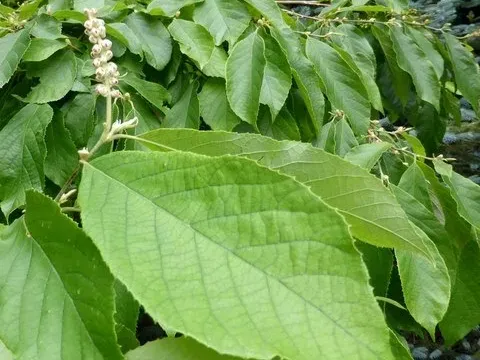
Fortunearia (Fortunearia sinensis) is a unique deciduous shrub belonging to the Hamamelidaceae family. It is a monotypic genus, making it a rare and sought-after specimen for botanical collections and specialized landscaping.
What the section contains

Fortunearia
The plant originates from the mountainous forests of Eastern China. It thrives in regions characterized by consistent rainfall and mild temperatures, mirroring the conditions of its native subtropical forest habitat.
Successful cultivation requires soil that is rich in organic matter, well-drained, and slightly acidic. The plant is highly sensitive to waterlogged conditions, which can lead to root rot if the soil texture is too heavy or compact.
Fortunearia performs best in partially shaded locations. Exposure to intense midday sun is detrimental to its foliage, often resulting in scorching and premature leaf drop during the summer season.
Regarding climate, this species requires protection from harsh winter winds and extreme freezing temperatures. In regions with cold winters, providing mulch and protective covers is essential for the survival of younger, unestablished shrubs.
The primary use of Fortunearia is ornamental. It is valued for its elegant crown structure and foliage, which add a sophisticated texture to garden designs and private botanical displays.
Agricultural management of this species involves diligent moisture control. Regular, deep irrigation is necessary during dry spells, as the plant does not possess strong drought-tolerance mechanisms common in other shrubs.
Fertilization should be applied at the beginning of the growing season. A balanced, slow-release fertilizer is recommended to support steady foliage development without forcing excessive, weak growth.
Propagation is generally performed through seed germination, which necessitates a specific stratification process to overcome dormancy. Alternatively, green cuttings can be rooted under high-humidity mist conditions.
Regular maintenance pruning is recommended to ensure the plant remains healthy and aesthetic. Removing dead or crossing branches improves air circulation, which is crucial for minimizing the risk of foliage diseases.