
Corylopsis griffithii
Corylopsis griffithii
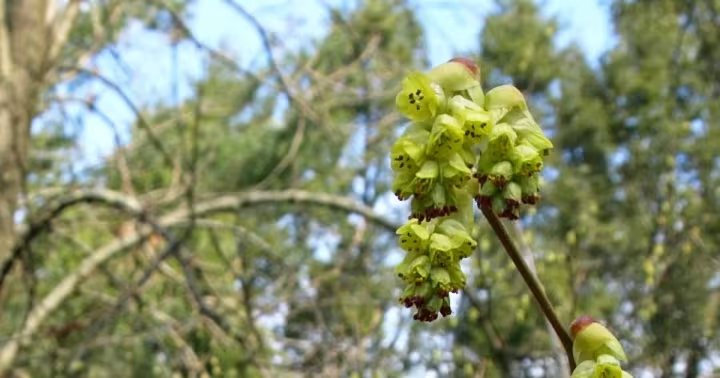
Description
Growing requirements
Corylopsis griffithii is a deciduous shrub that belongs to the Hamamelidaceae family. It is highly valued in horticulture for its early spring bloom consisting of fragrant, yellow, pendant racemes.
The native habitat of this plant is located in the Himalayan region and North-East India. It thrives in high-altitude environments characterized by moist, cool air and temperate mountain climates.
This culture requires partial shade and a sheltered location to protect it from harsh, drying winds. Intense midday sun can be detrimental to its foliage and overall vigor in warmer climates.
The ideal soil for this shrub should be rich in organic matter, slightly acidic, and well-drained. Poor drainage is the most common cause of failure in cultivating this specific species.
Annual maintenance involves providing supplemental irrigation during dry spells and applying a thick layer of organic mulch. This helps maintain soil moisture levels and protects the shallow root system.
Main diseases and pests
The species is generally robust but can occasionally be bothered by aphids or spider mites during hot, dry summer months. Regular inspection helps maintain plant health.
Root rot is the primary threat to Corylopsis griffithii, usually resulting from waterlogged soil or poor aeration. Proper site selection is crucial to prevent this fatal condition.
Leaf chlorosis is often observed if the soil pH becomes neutral or alkaline. Maintaining acidity is essential for the plant to properly absorb microelements like iron and manganese.
Powdery mildew can affect the foliage if the planting density is too high, leading to reduced air circulation. Space the plants adequately to allow for natural leaf drying after rains.
Integrated pest management strategies should be used to address any outbreaks. Prioritize systemic fungicide applications only if severe symptoms of fungal pathogens appear.