
Veitch's witch hazel
Corylopsis veitchiana
Description
Growing requirements
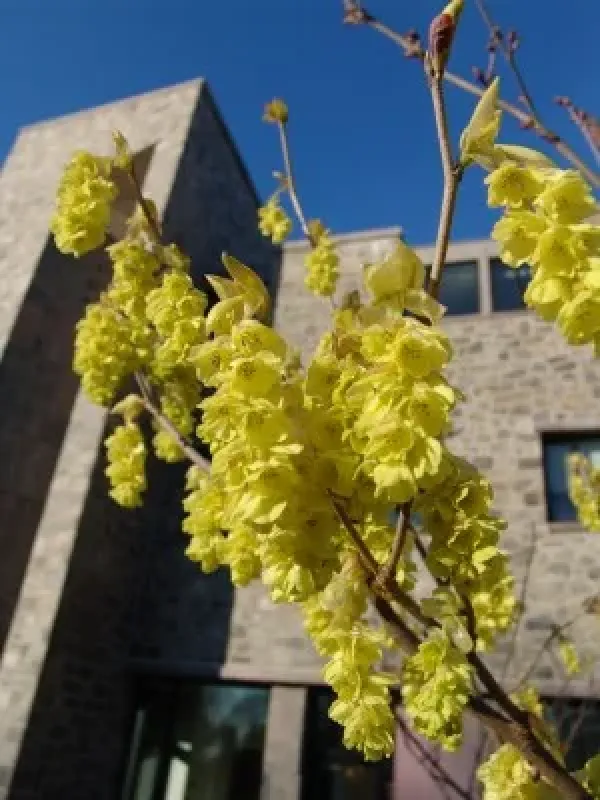
Corylopsis veitchiana, commonly known as Veitch's witch hazel, is a deciduous shrub belonging to the Hamamelidaceae family. Native to China, this species is highly valued in ornamental horticulture for its pendulous racemes of fragrant, yellow flowers that bloom in early spring.
The plant thrives in partial shade, sheltered from harsh winds that could damage early spring blossoms. While it can tolerate some sun, it performs best in positions where it is protected from the intense heat of the afternoon sun, which can scorch its leaves.
Cultivation requires well-drained, humus-rich soil that is slightly acidic to neutral. The plant has a low tolerance for waterlogged conditions, making efficient drainage essential, particularly in heavier garden soils where root rot can occur easily.
Agrotechnical practices include consistent watering during dry periods and providing a layer of mulch around the base. Organic mulch, such as leaf mold or pine bark, helps maintain consistent soil moisture and keeps the roots cool during summer months.
Pruning should be minimal, performed immediately after flowering to shape the plant and remove dead or crossing branches. Due to its naturally slow growth rate, the shrub maintains its structure well without the need for aggressive trimming or annual maintenance.
Main diseases and pests
The primary threats include fungal infections triggered by poor air circulation and excessive humidity. Maintaining proper spacing between plants and thinning the interior of the shrub helps prevent leaf spot diseases and other fungal pathogens.
Pests such as aphids or spider mites can occasionally affect the foliage, especially during hot, dry spells. Integrated pest management, including the use of horticultural oils or insecticidal soaps, is recommended to control populations while minimizing environmental impact.
Chlorosis is a common physiological issue caused by soil with an incorrect pH balance. Ensuring the soil remains slightly acidic is crucial for the efficient uptake of nutrients, particularly iron, which is necessary for lush green foliage.
Winter damage to young bark by rodents is a significant threat in some regions. Applying protective trunk guards or wire mesh during the colder months provides an effective barrier against browsing mammals and ensures the plant survives the winter.
With correct site selection and minimal intervention, Corylopsis veitchiana remains a hardy and long-lived addition to the garden. It is generally resistant to most major agricultural pests when kept in a state of healthy growth.