
Spike winter hazel
Corylopsis spicata
Description
Growing requirements
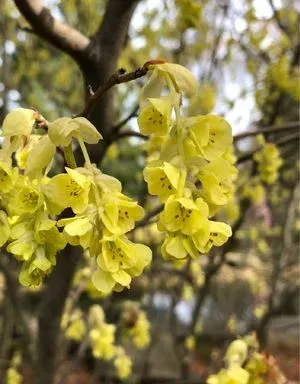
Corylopsis spicata, commonly known as spike winter hazel, is a deciduous shrub belonging to the Hamamelidaceae family. It is native to the woodlands of Japan and is highly prized for its early spring flowers that appear on bare branches.
This shrub requires fertile, well-drained, acidic to neutral soil to thrive. Proper drainage is critical; the plant cannot tolerate waterlogged soil, which can lead to rapid root decay, especially during the dormant winter period.
In terms of light exposure, the plant prefers dappled shade or partial sun. While it can tolerate more sunlight in cooler climates, protection from intense afternoon heat is necessary to prevent leaf scorching and excessive water loss.
Climate requirements include protection from drying, harsh winds, particularly during the early flowering phase in late winter or early spring. Consistent moisture is essential during the growing season to ensure robust development of flower buds for the next year.
Its primary agricultural use is within the ornamental nursery industry. It is widely cultivated for residential landscapes, botanical gardens, and public spaces, often serving as a focal point in spring-themed plantings due to its fragrant, yellow flower spikes.
Main diseases and pests
The plant is generally robust but is susceptible to chlorosis if grown in alkaline or high-pH soils. This nutrient deficiency manifests as yellowing leaves while the veins remain green, which can be corrected by amending the soil with acidic organic matter.
Fungal issues, such as powdery mildew, may occur if the shrub is planted in areas with poor airflow or high humidity. Maintaining adequate spacing between plants and performing regular pruning helps facilitate air circulation and reduces fungal risks.
Pests like aphids and spider mites can infest young foliage, especially during hot and dry spells. These pests weaken the plant by sucking sap, potentially leading to leaf drop and stunted growth if not managed promptly.
Integrated pest management, including the use of neem oil or insecticidal soaps, is effective in controlling early infestations. Frequent monitoring of the undersides of the leaves is recommended, particularly during the peak of the growing season.
Applying a layer of mulch around the base of the plant helps retain soil moisture and regulate soil temperature, creating a healthier environment that allows the shrub to better resist environmental stressors and pest pressure.