
Corylopsis pauciflora
Corylopsis pauciflora
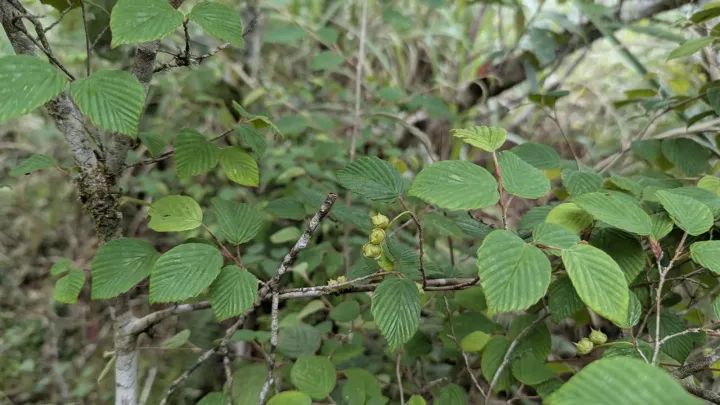
Description
Growing requirements
Corylopsis pauciflora, commonly known as buttercup winter hazel, is a graceful deciduous shrub belonging to the Hamamelidaceae family. Native to Japan and Taiwan, this plant is highly prized for its delicate, pale yellow flowers that appear in early spring on bare branches.
This shrub typically reaches a height of 1.5 to 2 meters. It features a spreading habit, making it an excellent candidate for woodland gardens or as a focal point in shade-tolerant shrub borders where early spring color is desired.
Cultivation success depends on providing an environment that mimics its natural habitat: moist, acidic, and well-drained soil rich in organic matter. It thrives in locations that are sheltered from strong winds and intense afternoon sunlight.
Moisture management is critical for this species. During the growing season, consistent irrigation is necessary, as the plant's shallow root system is prone to damage if the soil dries out completely. Applying a thick layer of organic mulch helps retain soil moisture.
The plant benefits from light pruning immediately after flowering to maintain its shape and encourage future blooms. It is not a demanding shrub in terms of fertilizers, but an annual application of compost in early spring supports healthy growth and flower bud development.
Main diseases and pests
The most common threat to Corylopsis pauciflora is poor soil drainage, which often leads to root rot. To mitigate this risk, gardeners should ensure that the planting site is elevated or properly amended with gravel and organic matter to facilitate water drainage.
In humid and stagnant environments, powdery mildew can occur on the foliage. To prevent this, ensure proper spacing between plants to allow for airflow, which reduces the humidity around the leaves during the summer months.
Pests like spider mites can sometimes infest the plant during hot, dry weather spells. Regular monitoring of the underside of leaves and occasional misting of the foliage can help prevent mite outbreaks without the need for heavy pesticide use.
Late spring frosts represent a significant environmental threat, as they can damage the early-opening flowers. In areas prone to unexpected cold snaps, covering the bush with horticultural fleece during frosty nights can protect the bloom.
Scale insects can occasionally affect the branches of mature plants. If identified, these can often be managed by pruning the affected branches or applying horticultural oils during the dormant season, which is highly effective and safe for the plant.