
Disanthus
Disanthus Maxim.
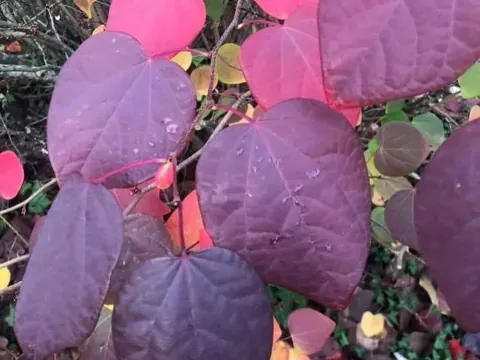
Disanthus (Disanthus Maxim.) is a monotypic genus of deciduous shrubs belonging to the Hamamelidaceae family. Originating from the mountainous regions of Japan and China, this plant is prized by gardeners for its remarkable heart-shaped foliage.
What the section contains

Disanthus
The plant exhibits distinct botanical features, including leaves that transition from a soft green in spring to vibrant shades of deep red and purple during the autumn months. It generally maintains a shrubby, upright growth habit.
Cultivation requirements for Disanthus involve a cool, temperate climate and acidic soil conditions. The plants thrive best in well-draining, humus-rich soil that retains consistent moisture without becoming waterlogged.
Strategic placement is essential: Disanthus performs best in partial shade where it is protected from intense afternoon sunlight and drying winds. In harsher climates, winter protection for the root zone is necessary to prevent cold damage.
General care includes regular watering during dry spells and the application of organic mulch, such as pine needles, to maintain the soil's acidity. Pruning should be kept to a minimum, focusing only on removing dead or crossing branches.
The primary threats to Disanthus are fungal infections, which are often exacerbated by poor drainage and excessive air humidity. These conditions can lead to root rot and other systemic issues.
Pests such as spider mites and aphids are known to target Disanthus, particularly during warm, dry periods. These insects feed on the plant's sap and can cause leaf yellowing or premature drop.
Effective management includes the application of appropriate fungicides during the early spring and periodic inspections to monitor for pest activity on the undersides of leaves.
Maintaining good airflow around the shrub and preventing dense canopy development can significantly reduce the risk of humidity-related diseases throughout the growing season.
If symptoms of stress or infestation occur, immediate identification is required followed by targeted treatment with organic or chemical controls, depending on the severity of the problem.