
Hybrid Corylopsis
Corylopsis hybrids
Description
Growing requirements
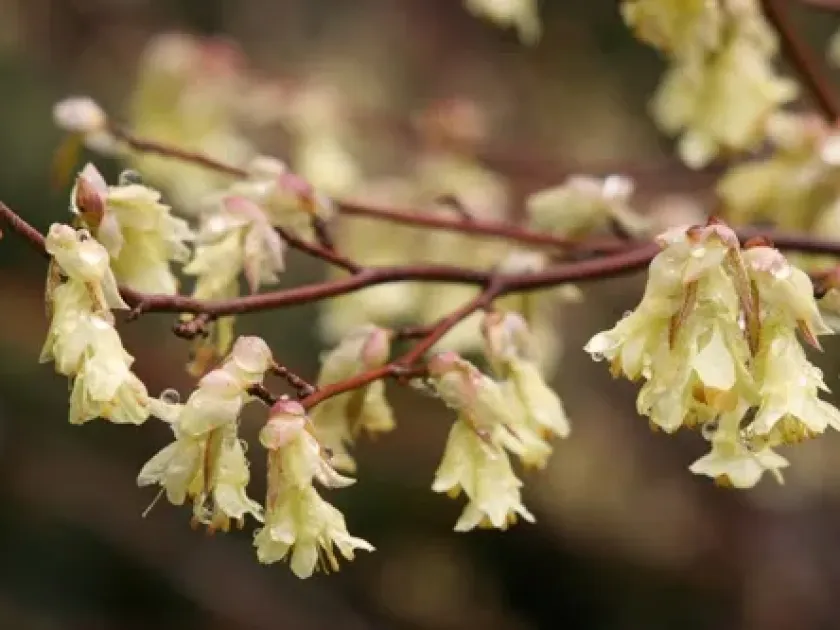
Hybrid Corylopsis (Corylopsis hybrids) is an ornamental shrub belonging to the Hamamelidaceae family. It is a result of selective breeding designed to enhance the hardiness and floral display of its East Asian ancestors, which are known for their distinct, bell-shaped flowers.
Regarding environmental needs, this plant thrives in acidic to neutral, well-drained, and nutrient-rich soils. It is highly sensitive to alkalinity, which inhibits nutrient uptake and leads to chlorosis. Maintaining organic matter in the soil is crucial for successful cultivation in various climatic zones.
The ideal location for the shrub is a semi-shaded area sheltered from strong, drying winds. While the plant can tolerate some direct morning sun, intense midday light should be avoided to prevent leaf scorch. A consistent supply of soil moisture is essential for vigorous growth throughout the spring and summer.
A key aspect of agronomic management is the application of mulch. Organic mulch, such as wood chips or pine needles, helps to retain root moisture, suppresses weeds, and mimics the natural forest floor environment where these shrubs occur in the wild.
In landscaping, the Hybrid Corylopsis is utilized as a specimen plant or in flowering shrub borders. Its primary economic value lies in the nursery industry, where it is cultivated for gardeners seeking early-blooming, aesthetically striking plants that provide fragrance and interest in the late winter or early spring.
Main diseases and pests
The primary pathological threats include leaf spot diseases and root rot, which are often exacerbated by poor drainage and excessive watering. Maintaining airflow within the shrub canopy is essential for preventing the spread of fungal spores during humid weather conditions.
In terms of pests, spider mites and aphids are the most common adversaries, particularly during hot and dry spells. Integrated pest management, involving careful observation and the use of horticultural oils or targeted insecticides, is necessary to ensure the plant maintains its ornamental integrity.