
Corylopsis platypetala
Corylopsis platypetala
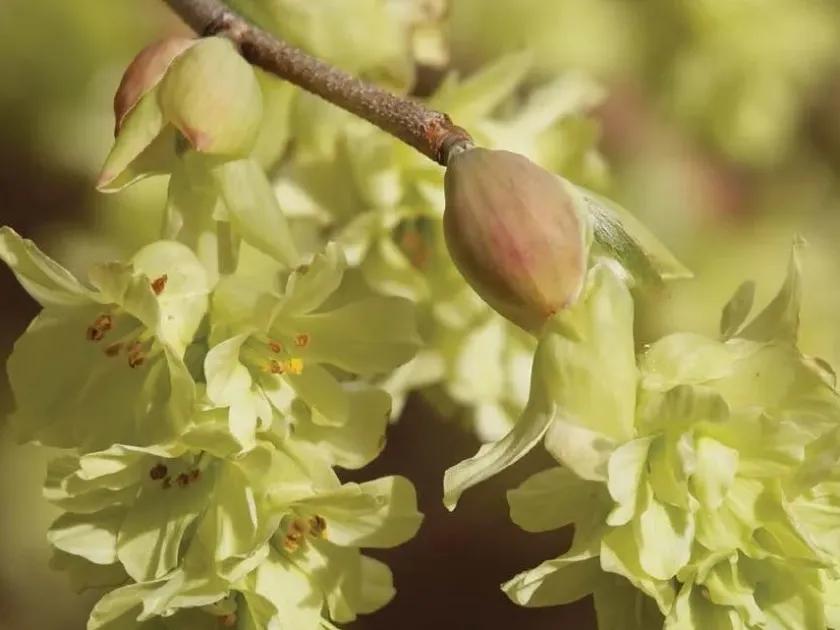
Description
Growing requirements
Corylopsis platypetala, a member of the Hamamelidaceae family, is a deciduous shrub native to the forest regions of China. It is highly regarded by horticulturists for its early spring bloom, featuring fragrant, yellow, pendant racemes that appear before the foliage develops.
The successful cultivation of this shrub requires well-drained, humus-rich, acidic to neutral soil. Poorly drained conditions often lead to root rot, so incorporating organic matter such as compost or peat moss at the time of planting is essential for ensuring healthy growth and vigor.
This plant thrives in partial shade, especially in regions with hot summers. Protecting the shrub from intense afternoon sun is crucial to prevent leaf scorch and to ensure the plant remains in optimal physiological condition during the growing season.
Watering requirements are consistent throughout the year, with a focus on keeping the soil moist but not waterlogged. Mulching the root zone helps regulate soil temperature and moisture retention, which is particularly beneficial during dry periods of the year.
While the species exhibits moderate cold tolerance, it should be protected from harsh, cold winds which can damage flower buds. In regions with severe winters, providing a protective barrier around the plant can help safeguard it from freezing temperatures.
Main diseases and pests
Corylopsis platypetala is generally hardy, but it can be susceptible to fungal diseases such as powdery mildew, especially if air circulation within the shrub's canopy is poor. Pruning for structure and airflow is a vital preventative measure to manage this risk.
Pests like spider mites and scale insects may occasionally infest the plant, typically appearing in hot and dry conditions. Regular inspection of the undersides of the leaves can help identify these issues early, allowing for targeted control using horticultural oils or soaps.
Root health is of paramount importance, and over-watering remains the most significant threat to the overall vitality of the plant. Ensuring the soil has adequate drainage prevents anaerobic conditions that facilitate the growth of harmful soil-borne pathogens.
Sanitation in the garden is essential; removing fallen leaves and debris from around the base of the shrub reduces the likelihood of fungal spores overwintering. Keep the area around the shrub clear to discourage common pests and promote a healthier growing environment.
In cases of severe infestation, use systemic insecticides or specialized fungicides recommended for ornamental shrubs. Always apply these treatments during the cooler parts of the day to avoid leaf damage and ensure the plant’s health is not compromised during the recovery process.