
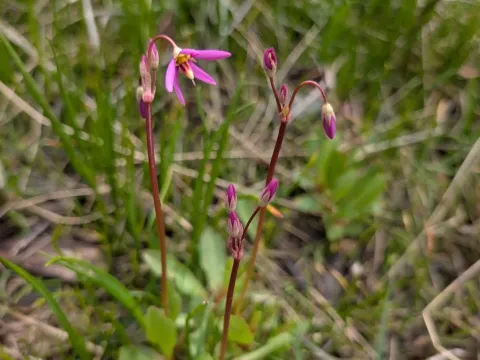
Primula pauciflora
Primula pauciflora
Sowing Primula pauciflora requires careful attention to seed dormancy. The seeds need a period of cold stratification to ensure a high germination rate, mimicking the natural winter-spring transition.
What the section contains
Primula pauciflora
For greenhouse cultivation, sow seeds in late winter in shallow containers. Use a fine-textured, sterile germination mix that holds moisture but remains well-drained to prevent seed rot.
Do not cover the seeds with soil, as they are photoblastic and require light to trigger germination. Simply press them gently into the moist substrate and cover with plastic to maintain humidity.
After germination, maintain moderate temperatures around 15-18°C. Once the seedlings reach the two-leaf stage, they should be transplanted into individual cells to encourage strong root development.
Hardening off before outdoor planting is essential. Gradually introduce the young plants to outdoor temperatures over a period of ten days to minimize transplant shock when moving to the garden beds.
Primula pauciflora belongs to the Primulaceae family, a group known for its diverse and attractive flowering plants. This species typically prefers cool, moist environments resembling alpine meadows.
The ideal soil should be rich in organic matter, slightly acidic, and possess excellent drainage properties. A mix of peat, leaf mold, and river sand is often recommended to create the perfect structure.
Water management is the most critical aspect of care. The plants thrive in consistently damp conditions, but they cannot tolerate waterlogging, which often leads to rapid root decay.
Select a location with partial shade, ideally where the plant receives morning sun but is protected from intense afternoon heat. In warmer regions, additional shading measures are necessary to prevent leaf scorch.
Apply a balanced, slow-release fertilizer at the start of the spring season to support vigorous growth. Avoid high nitrogen levels during the late season to prevent soft growth that is prone to winter injury.
The primary threats to this culture are fungal diseases, particularly crown and root rot, occurring in heavy or poorly drained soils. Improving soil aeration is the best preventive strategy.
Gastropods such as slugs and snails are significant pests that favor the tender foliage of Primula species. Regular manual removal or the use of physical barriers is recommended.
Aphids can infest the flower stalks during the peak of the growing season. If infestations occur, treat them with horticultural soap or neem oil to avoid damaging the surrounding beneficial insects.
Botrytis blight may occur in conditions of high humidity and low airflow. Removing any yellowing or decaying leaves immediately helps to reduce the risk of secondary infections.
Practicing crop hygiene by removing debris from around the plant base is vital. Healthy plants with good air circulation are significantly more resistant to typical garden pests and diseases.