
Primula ruprechtii
Primula ruprechtii
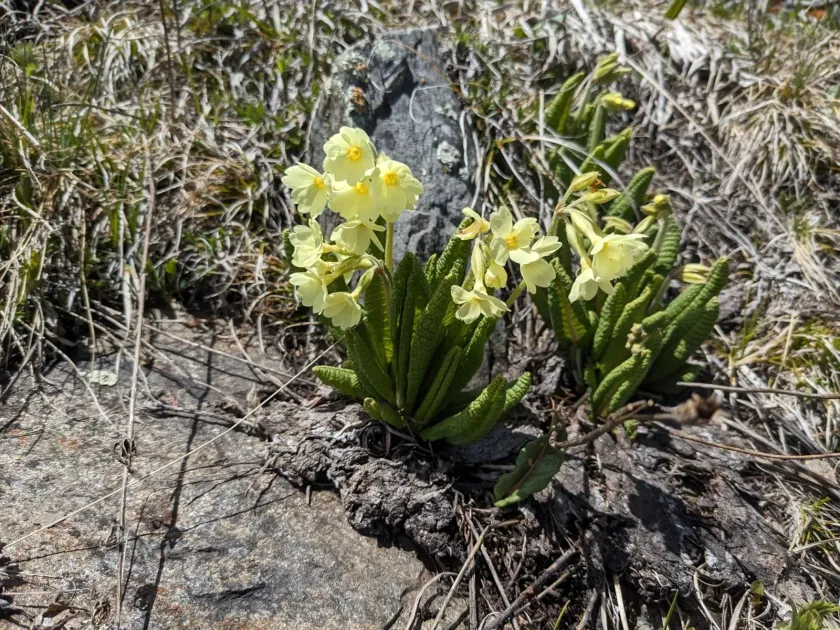
Description
Sowing dates
Sowing seeds of Primula ruprechtii is best performed in the autumn or early spring after the seeds have undergone a mandatory stratification process. This exposure to cold temperatures for 4 to 6 weeks is crucial for breaking seed dormancy and ensuring successful germination.
When sowing in trays, seeds should be spread over the surface of a light, moist substrate without deep burial. Covering the container with glass or plastic film creates a stable microclimate, which is essential for the delicate emerging sprouts.
The optimal germination temperature ranges between +15 and +18 degrees Celsius. Providing consistent, indirect light is necessary, as direct sunlight can easily dry out the soil surface and harm the sensitive embryos.
Seedlings should be pricked out once the first pair of true leaves has formed. Great care must be taken during this stage, as the root system of Primula ruprechtii is fragile and sensitive to physical disturbance.
Transplanting into the permanent garden site is typically carried out in late spring once the danger of frost has completely passed. Spacing between individual plants should be approximately 20–25 centimeters to allow for healthy development of the leafy rosettes.
Growing requirements
Primula ruprechtii, a member of the Primulaceae family, prefers sites with well-draining soil and moderate moisture levels. As the species has mountain origins, it requires a cool environment with good air circulation to thrive throughout the growing season.
The soil should be fertile and enriched with organic matter, maintaining a neutral to slightly acidic pH level. Avoiding water stagnation at the crown is vital, as excessive moisture often leads to root rot, particularly during the transition from winter to spring.
Applying organic compost around the base of the plant provides essential nutrients and helps retain soil moisture during hotter months. Mineral fertilizers should be used sparingly, prioritizing potassium and phosphorus to support blooming.
Partial shade is the preferred lighting condition for this species. Sites under tree canopies or on the north side of garden structures provide the necessary protection from intense afternoon sun, which can cause leaf scorch and premature wilting.
Regular watering is required to maintain soil moisture, yet it is essential to allow the surface to slightly dry between irrigations. Mulching with organic material helps maintain a stable root temperature and prevents the soil from compacting.
Main diseases and pests
Slugs and snails are the most frequent pests, particularly during damp weather. They can quickly consume the soft foliage of the primrose, making manual removal or the use of specialized eco-friendly baits necessary for protection.
Powdery mildew can become a problem if the plants are overcrowded and lack proper ventilation. This fungal infection is characterized by a white powdery coating on the leaves and is triggered by sharp fluctuations in humidity and temperature.
Root and crown rots are usually the result of overwatering or inadequate soil drainage. If symptoms such as yellowing or wilting are observed, it is necessary to improve the drainage of the area and apply appropriate systemic fungicides.
Aphids can infest the plant, drawing sap from the leaves and weakening the overall health of the specimen. Regularly inspecting the underside of the leaves allows for timely intervention using horticultural soaps or targeted insecticides.
Nematodes, while less common, can cause significant damage to the root system if present in the soil. Maintaining healthy soil conditions and avoiding planting primroses in areas previously known to harbor these pests is the primary method of prevention.